What are the Benefits of Using a UV Flatbed Printer?
In the rapidly evolving printing industry, the UV Flatbed Printer has carved a niche for itself. Experts like James H. Thompson, a leading figure at PrintTech Solutions, emphasize its transformative capabilities. He once stated, “The UV Flatbed Printer opens doors to creativity we never imagined possible.” This sentiment reflects the printer's versatility and efficiency.
These printers use ultraviolet light to cure inks instantly. This technology allows for vivid colors and sharp details, appealing to various industries. From signage to custom designs, the applications are endless. The process is more efficient than traditional printing methods. It minimizes waste and maximizes speed, enhancing production workflows.
Yet, some challenges remain. The initial investment for a UV Flatbed Printer can be high. Businesses must ensure they have the right expertise to operate it. Understanding maintenance needs is essential. While the benefits are significant, careful consideration is necessary for successful implementation.
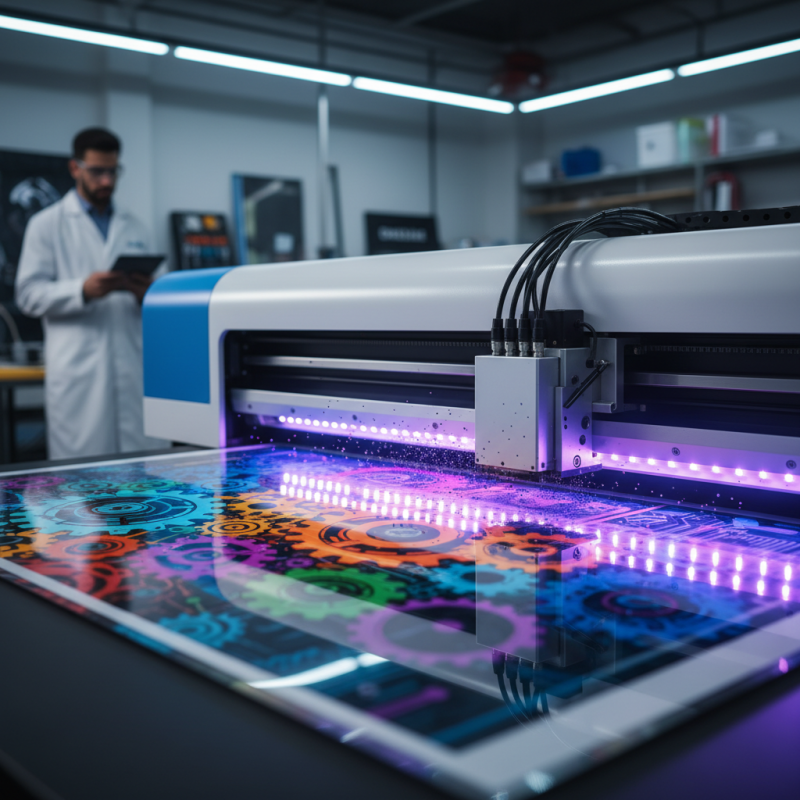
Understanding UV Flatbed Printing Technology
UV flatbed printing technology stands out for its versatility and efficiency. This process utilizes ultraviolet light to cure or dry the ink as it is printed. Unlike traditional methods, UV printers can print on a wide variety of surfaces, including wood, glass, and metal. According to recent industry reports, the global UV printer market is expected to reach $3.6 billion by 2025, highlighting the growing adoption of this innovative technology.
One of the main benefits of UV flatbed printing is its instant drying capability. This feature allows for quick turnaround times on projects. The prints are durable and resistant to fading, making them suitable for both indoor and outdoor applications. Furthermore, this technology significantly reduces environmental impact due to minimal volatile organic compounds (VOCs) released into the atmosphere. A study from Smithers Pira reveals that UV printing consumes 36% less energy compared to solvent-based alternatives.
Tips: When choosing a UV flatbed printer, assess your specific printing needs. Consider the types of materials you will use and the production speed required. Testing multiple substrates can help you understand how ink adheres and performs.
While UV flatbed printing offers many advantages, there are challenges. Initial investment costs can be high compared to other printing methods. Maintenance is also critical, as the UV lamps need regular replacement. Understanding these factors can help businesses make informed decisions about integrating this technology into their operations.
Benefits of Using a UV Flatbed Printer
| Benefit | Description |
| Versatility | Can print on various materials including wood, glass, metal, and acrylic. |
| High Quality | Provides sharp images and text with vibrant colors due to the nature of UV curing. |
| Instant Drying | Immediate curing of inks which allows for quicker production times and eliminates smudging. |
| Durability | Prints are resistant to scratches, UV light, and other environmental factors, enhancing longevity. |
| Eco-Friendly | UV printing technology reduces VOC emissions, making it a greener option compared to traditional printing methods. |
| Cost-Effective for Short Runs | Ideal for producing short runs of customized items without the need for long setup times. |
Enhanced Versatility in Material Usage
UV flatbed printers have transformed the printing landscape, offering enhanced versatility in material usage. They can print on a wide range of substrates, including wood, glass, metal, and acrylic. This flexibility caters to diverse industries, from advertising to interior design. According to a Smithers Pira report, the UV printing market is projected to reach $7.2 billion by 2025. This growth highlights the increasing demand for versatile printing solutions.
The capability to print directly onto various materials opens doors for creativity. Designers can experiment with textures and finishes, which traditional printers cannot offer. For example, a study by the Printing Industries of America revealed that 60% of businesses reported increased profits by using UV flatbed technology. However, not all materials respond well to UV inks, creating challenges that require expertise to navigate.
Access to a broader array of materials also means more decision-making complexity. Companies need to understand each substrate's characteristics to achieve desired results. Sometimes, experimentation can yield impressive final products, while at other times, it may lead to setbacks and learning experiences. Despite these challenges, the ability to print on diverse surfaces makes UV flatbed printers a valuable asset in today’s competitive marketplace.
Benefits of Using a UV Flatbed Printer
This chart illustrates the enhanced versatility in material usage for UV flatbed printers. The data reflects the percentage of various materials that can be printed on using UV technology, highlighting its diverse applications.
Cost-Effectiveness and Efficiency Benefits
Using a UV flatbed printer can greatly improve cost-effectiveness and efficiency in printing projects. These printers are known for their versatility, capable of printing on a wide range of materials. This feature reduces the need for multiple machines, saving both space and expenses. Many businesses find that investing in a UV flatbed printer cuts production time. Quick turnaround times can make a significant difference in meeting client demands.
Additionally, the durability of UV printing adds to its cost efficiency. The inks used are resistant to fading and wear, extending the life of printed products. This means fewer reprints and lower material costs over time. However, initial investments can be high. Companies must consider their budget and expected return on investment.
Another point to reflect on is the learning curve associated with UV printers. Operators may require training to maximize efficiency. While many find the technology user-friendly, mastering it can take time. Balancing these factors is crucial for businesses looking to enhance their printing capabilities.
Environmentally Friendly Aspects of UV Printing
UV printing has emerged as a leader in environmentally friendly printing technologies. Traditional printing methods often rely on solvents and chemicals that can harm the environment. In contrast, UV flatbed printers use ultraviolet light to cure ink as it is printed. This process significantly reduces VOCs emissions. Consequently, fewer harmful substances are released into the air during production.
Moreover, UV inks are more efficient. They allow for precise applications, minimizing waste. The curing process also means that prints are dry immediately, reducing the need for additional chemicals used in drying. The materials can be recycled more easily since they do not contain the same level of harmful substances found in other inks. This is significant for companies aiming to enhance their sustainability practices.
However, UV printing isn't without challenges. The initial setup costs can be high. Many might question whether the benefits outweigh these costs. Additionally, while UV printing is more eco-friendly than traditional methods, it still requires energy for the curing process. As businesses assess their printing methods, addressing these factors can lead to more eco-conscious decisions. The journey towards sustainability can be complex, but UV printing offers a promising step forward.
Superior Quality and Durability of Prints
UV flatbed printers offer remarkable benefits in terms of print quality and durability. The technology employs ultraviolet light to cure inks as they are printed. This ensures that images are vibrant and details are sharp. Unlike traditional methods, UV printing allows for a wide range of materials. From wood to glass, the possibilities are nearly endless. These materials absorb inks differently, making it challenging to achieve a uniform finish.
Another significant advantage is the resistance to wear and tear. UV-cured inks are less prone to fading, scratching, and environmental damage. This durability is essential for items exposed to sunlight or harsh conditions. Proven performance does not mean perfection. Some users report issues with ink adhesion on certain surfaces. Each substrate reacts uniquely, and experimentation is often required.
The practicality of UV flatbed printing makes it suitable for various industries. Businesses can produce long-lasting signage and custom promotional products. However, it requires mindful consideration of material compatibility and ink types. Users must weigh the costs against potential waste and reprints. A balanced approach ensures the maximum benefits are realized.