2026 Best All Electric Injection Molding Machine Reviews?
In the ever-evolving landscape of manufacturing, the demand for efficiency and precision is paramount. The All Electric Injection Molding Machine stands out as a revolutionary solution. These machines offer reduced energy consumption and improved cycle times, making them ideal for high-volume production.
Manufacturers are increasingly drawn to their ability to deliver consistent quality with minimal waste. However, selecting the best model can be daunting, as many factors influence performance. The year 2026 promises exciting advancements in technology and design, challenging manufacturers to rethink their strategies.
It's essential to understand the unique features of various models. This involves exploring specifications, user experiences, and industry recognition. While electric machines present numerous advantages, they also come with limitations. Careful consideration of these aspects is crucial for a well-informed decision. The journey toward implementing an All Electric Injection Molding Machine requires diligence and reflection, ensuring long-term success in production.
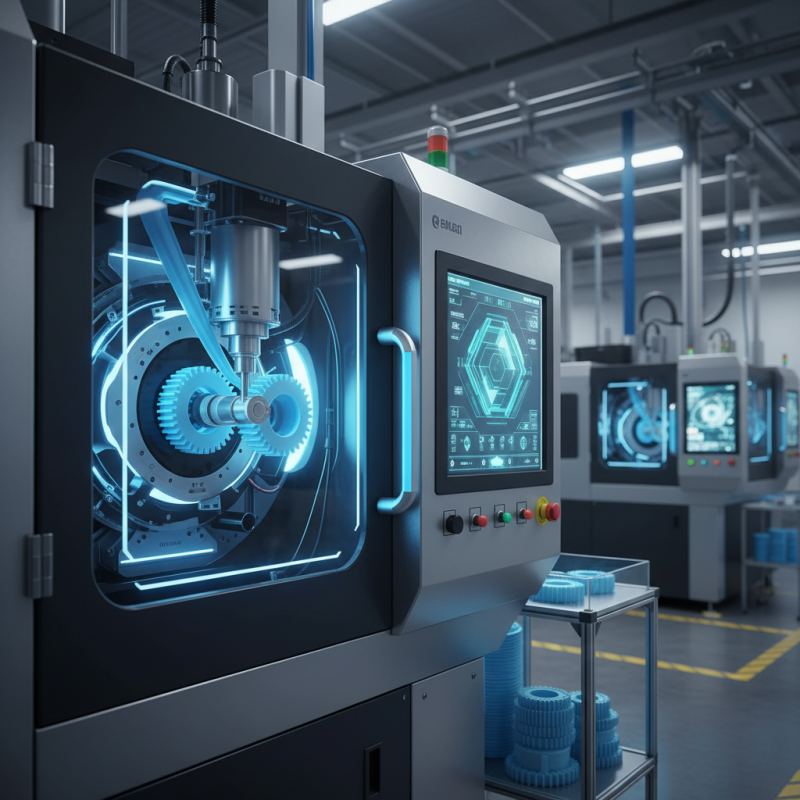
Overview of All Electric Injection Molding Machines
All electric injection molding machines are becoming increasingly popular in the manufacturing industry. These machines offer precise control and energy efficiency. A recent study indicated that all-electric systems can save up to 70% in energy compared to traditional hydraulic machines. This is vital for manufacturers aiming to reduce operational costs and environmental impact.
One notable aspect is their compact design. All electric machines typically require less floor space. This can be a significant advantage for small manufacturers looking to maximize productivity in limited areas. However, potential buyers should be wary of initial investment costs. While they may offer savings in the long term, the upfront price can be a hurdle for some companies.
Maintenance is another critical factor to consider. All electric machines generally have fewer moving parts compared to hydraulic versions, which can lead to lower maintenance costs. However, when repairs are needed, they may require specialized technicians. This dependency can create challenges for facilities with limited access to expert support. Understanding these trade-offs is essential for businesses making investment decisions.
2026 Best All Electric Injection Molding Machine Efficiency Chart
Key Features to Consider in Electric Injection Molding Machines
When considering an electric injection molding machine, key features greatly impact efficiency and production quality. One crucial aspect is the machine's responsiveness. A good electric machine should adjust quickly to changes, ensuring consistency in production runs. Speed is another vital factor. Electric machines often provide faster cycles than their hydraulic counterparts, enhancing overall productivity. Nonetheless, speed should not compromise precision.
Energy efficiency is a hallmark of electric models. These machines consume less power, leading to cost savings and a reduced environmental footprint. However, potential buyers should evaluate the long-term reliability of these machines. Sometimes, lower initial costs can lead to higher maintenance expenses down the line.
It’s also essential to look at the control system. Advanced features like real-time monitoring and user-friendly interfaces can make operations smoother. Nevertheless, if the software is overly complex, operators may face a steep learning curve. This can slow down production initially. In short, understanding these key features can significantly improve decision-making when selecting an electric injection molding machine.
Top Brands and Models of All Electric Injection Molding Machines in 2026
In 2026, the market for all-electric injection molding machines showcases impressive advancements in technology. These machines are designed for energy efficiency and precision. Many manufacturers focus on reducing waste and improving cycle times. However, not all brands are created equal. Some machines may fall short in performance, leading to inconsistent product quality.
While exploring top brands, it's essential to consider user feedback. Some users report difficulty in adjusting settings. Others have experienced longer maintenance times than expected. These factors can impact production efficiency. It's crucial to weigh these experiences against the machines' advertised benefits.
Another aspect to consider is scalability. Not every model supports growth as production demands increase. Businesses must evaluate whether a specific model can adapt to changing needs over time. Potential buyers should conduct thorough research to avoid purchasing machines that may not align with their long-term goals.
Performance Comparisons: Electric vs. Hydraulic Injection Molding
When comparing electric and hydraulic injection molding machines, several factors come into play. Electric machines are known for their precise control and energy efficiency. They can reduce energy consumption by up to 50% compared to hydraulic models. This can lead to significant cost savings over time, especially in high-volume production.
Hydraulic machines, on the other hand, have their advantages. They are typically favored for larger, more complex parts due to their greater clamping force. This strength allows for thicker materials and more intricate designs. However, this power comes with trade-offs. Hydraulic systems often consume more energy and require additional maintenance.
Another consideration is the environmental impact. Electric machines tend to produce less noise and emissions. This can create a safer and more pleasant workplace for operators. Despite these benefits, some manufacturers still hesitate to switch due to initial costs. Transitioning to electric technology can be daunting but may yield long-term benefits that outweigh upfront investments.
2026 Best All Electric Injection Molding Machine Reviews
| Machine Type | Clamping Force (tons) | Injection Speed (mm/s) | Cycle Time (seconds) | Energy Consumption (kWh) | Price Range ($) |
| Electric | 150 | 300 | 10 | 2.0 | 25,000 - 35,000 |
| Hydraulic | 150 | 200 | 12 | 3.5 | 20,000 - 30,000 |
| Electric | 200 | 400 | 9 | 2.5 | 30,000 - 40,000 |
| Hydraulic | 200 | 250 | 14 | 4.0 | 22,000 - 32,000 |
Future Trends in Electric Injection Molding Technology
The landscape of electric injection molding technology is evolving rapidly. As manufacturers seek higher efficiency, electric models are becoming increasingly popular. These machines reduce energy consumption and improve precision, catering to various industries. A notable trend is the shift towards automation and smart technologies. Incorporating artificial intelligence enhances predictive maintenance and optimizes production processes.
Tips: Regularly update your knowledge on the latest advancements. Attend industry seminars or webinars. Networking can provide insights that publications might miss.
Another important aspect is sustainability. Manufacturers are under pressure to lessen their environmental impact. Electric machinery offers a cleaner alternative to traditional hydraulic options. However, the production of these machines can still involve significant environmental costs. Hence, a balanced approach is necessary.
Tips: Analyze your production's carbon footprint. Seek ways to implement more eco-friendly practices. Consider the complete lifecycle of the machine before making a decision.