Best Heating Wire For Furnace What You Need to Know?
When it comes to heating systems, choosing the right materials is crucial. Understanding the "Best Heating Wire For Furnace" is fundamental for efficiency and safety. A reliable heating wire can enhance performance, reduce energy consumption, and prolong equipment life.
Selecting the best heating wire requires knowledge of your furnace's specifications. Different wires have unique properties, like resistance and temperature ratings. Not all wires will suit every application. Missteps in this selection process can lead to issues, including overheating or inefficiency.
Experts often recommend wires made from high-quality materials like nichrome or copper. These provide excellent heat distribution and resilience. However, it's important to consider their compatibility with your furnace type. Investing time in research and understanding your options will lead to better choices. Do not overlook the impact of inferior wires, as they can jeopardize your heating system's integrity.
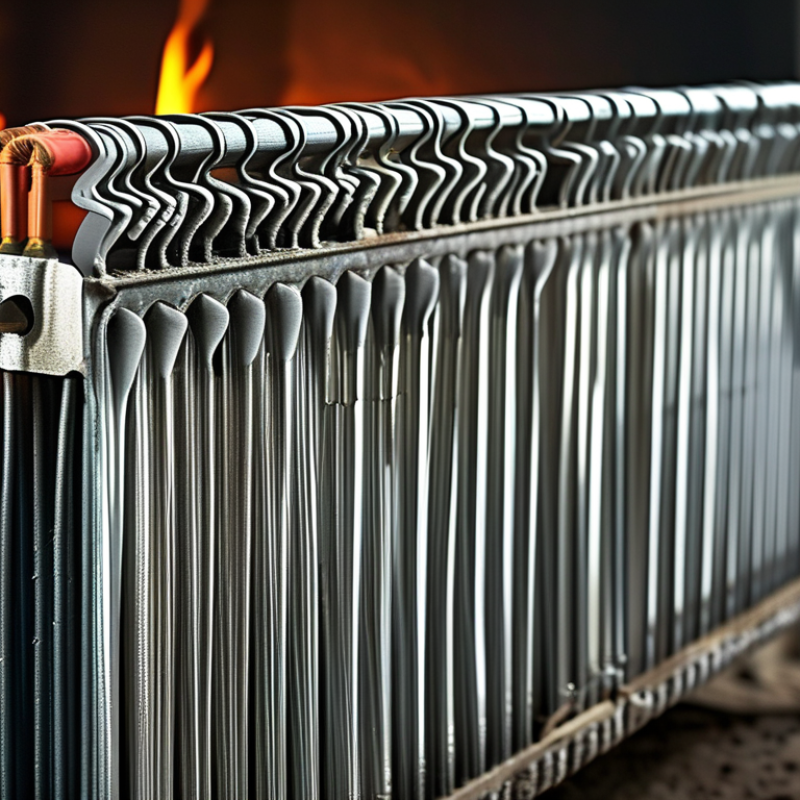
Understanding Heating Wire: Types and Materials
Heating wires are essential components in furnace systems. They provide the necessary heat for various applications, including home heating and industrial processes. Understanding the types of heating wire is crucial for making informed choices.
There are several common types of heating wire. Nickel-chromium (NiCr) wire is popular due to its high electrical resistance and durability. This wire can withstand high temperatures, making it ideal for furnaces. Teflon-coated heating wire is another option, offering excellent insulation and resistance to chemical corrosion. According to industry reports, over 70% of manufacturers prefer NiCr wires due to their reliability and performance.
Material selection is vital when choosing heating wire. Copper wire, while conductive, can struggle with heat management. In contrast, stainless steel offers moderate heat resistance but may not perform as well as NiCr at higher temperatures. The choice of material affects the wire's energy efficiency and lifespan. A study highlighted that using the right heating wire can improve system efficiency by up to 30%. This shows the importance of careful material selection in furnace applications.
Key Factors in Choosing the Best Heating Wire for Furnaces
When selecting the best heating wire for furnaces, several factors come into play. Firstly, the wire gauge is crucial. A thicker wire can handle higher temperatures but may not fit in all applications. Heat resistance is another vital aspect. Different materials offer varying levels of heat tolerance, affecting durability and performance.
Consider the insulation type as well. Proper insulation protects the wire from environmental damage and potential electrical hazards. The installation process matters, too. Make sure the wire is easy to install without expert help. Look for wires that offer clear installation instructions or visual guides.
Lastly, evaluate the wire's longevity. Some wires may appear cheaper but wear out quickly. This can lead to costly repairs. Reflect on the long-term value of your choice. Installing reliable heating wire can prevent failures and ensure consistent furnace performance. Always prioritize safety and performance over cost alone.
Best Heating Wire for Furnace: Key Factors to Consider
Application and Installation of Heating Wires in Furnaces
When it comes to heating wires in furnaces, understanding their application and installation is crucial. These wires serve a vital function in generating heat-related processes. A well-designed heating wire system can enhance efficiency and safety. However, improper installation can lead to serious issues.
During installation, it is essential to choose the right materials. The wire’s gauge and resistance matter significantly. Using a wire that is too thin can cause overheating. This risk can lead to safety hazards, damaging the system and potentially harming the property. Each furnace type may have specific requirements, so always refer to guidelines. Ensuring a secure and well-insulated placement is also vital to prevent any short circuits.
Similarly, the application of heating wires affects the furnace’s overall performance. Adequate spacing influences heat distribution. Wires need to be carefully organized to avoid overlapping or clustering. Such arrangements might not only waste energy but also create hot spots. Take time to assess the layout for optimal heating. Balancing efficiency with safety requires planning and understanding. Crafting a uniformly heated environment can be a challenging yet rewarding task.
Safety Considerations for Using Heating Wire in Heating Systems
When using heating wire in furnace systems, safety is paramount. Improper use can lead to fires or system failures. Always inspect the wire for damages before installation. Frayed wires can cause short circuits. This is a simple yet crucial step that can prevent hazardous situations.
Keep the wire away from moisture. Water and electricity do not mix well. Using insulated wires is essential in damp areas. Always ensure your workspace is dry and free from hazards. Regular maintenance of the heating systems helps in identifying potential safety issues early.
Tips:
- Use a multimeter to check wire integrity.
- Ensure proper insulation to prevent shocks.
- Follow local codes and guidelines for installation.
Awareness of these safety considerations is vital. Missteps can have serious consequences. Consult with professionals if needed. It’s better to be cautious than to face expensive repairs or health risks later.
Maintenance Tips for Prolonging the Life of Heating Wires
To extend the lifespan of heating wires in your furnace, regular maintenance is essential. Checking the insulation around the wires is a great start. Look for any signs of wear or damage. If you see fraying or burns, the wire may need replacement. Always ensure the power is off before conducting any checks.
Cleaning the heating elements is also crucial. Dust and debris can accumulate, affecting efficiency. A soft brush can help remove buildup without causing damage. It's important to inspect connections as well. Loose or corroded connections can lead to further issues. Tightening these connections can improve safety and performance.
While these tips can enhance longevity, some problems may arise unexpectedly. Overheating is a common issue. It can cause wires to degrade more quickly. Also, some users neglect routine inspections due to busy schedules. This can lead to malfunctioning systems. Taking time for regular inspections could save money in the long run. Small efforts in maintenance can yield significant results.
Best Heating Wire For Furnace - Maintenance Tips for Prolonging the Life of Heating Wires
| Wire Type | Recommended Use | Lifespan (Years) | Maintenance Tips |
| NiChrome Wire | Electric Furnaces | 8-12 | Regular inspections for corrosion and ensure proper insulation. |
| Silicone Rubber Wire | Hydronic Heating Systems | 10-15 | Keep free from moisture and check for signs of wear. |
| Copper Wire | Small Space Heaters | 5-10 | Ensure connections are tight and look for breaks in the wire. |
| Stainless Steel Heating Wire | Outdoor Heating Applications | 15-20 | Clean regularly to remove ice and debris, check for proper grounding. |