Best Medium Voltage Cable Options for Your Project Needs?
When planning electrical projects, choosing the right Medium Voltage Cable is crucial. Industry reports indicate that the medium voltage cable market is expected to grow significantly, reaching approximately $30 billion by 2027. This growth highlights the increasing need for reliable and efficient power distribution systems.
Medium Voltage Cables, typically ranging from 1 kV to 35 kV, are essential for various applications. They ensure power reaches from substations to industrial facilities safely. However, factors such as installation environment and load requirements complicate the selection process. Each project presents unique challenges that require careful consideration of cable specifications.
Selecting the best Medium Voltage Cable can prove daunting. Common mistakes include underestimating insulation properties or temperature ratings. As the industry evolves, staying informed about the latest technologies and compliance standards is vital. The right cable choice not only enhances performance but also reduces long-term operational costs. Therefore, understanding project needs and market trends is key to making informed decisions.
Understanding Medium Voltage Cables and Their Applications
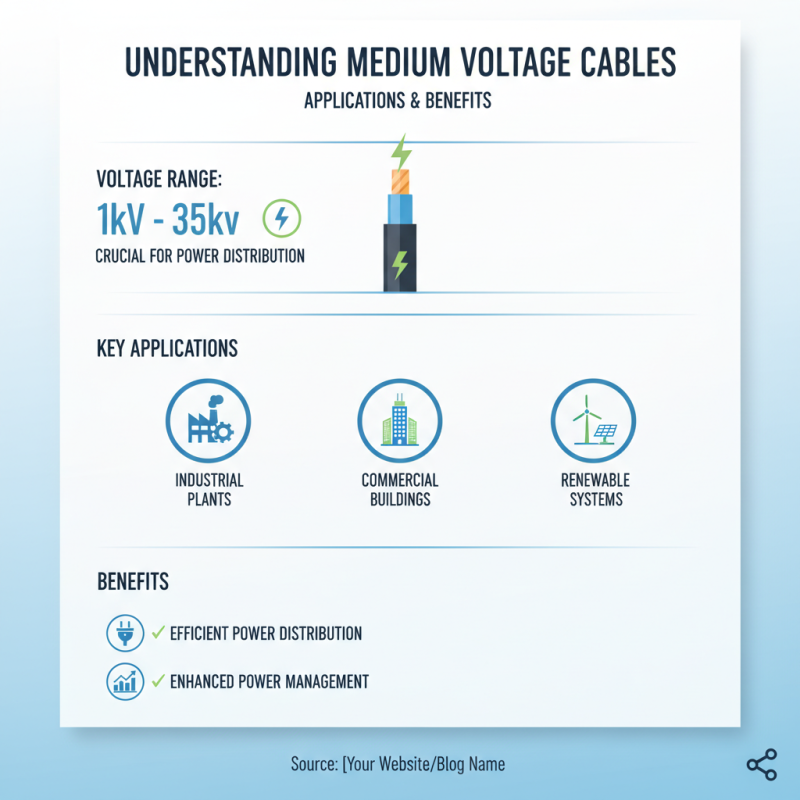
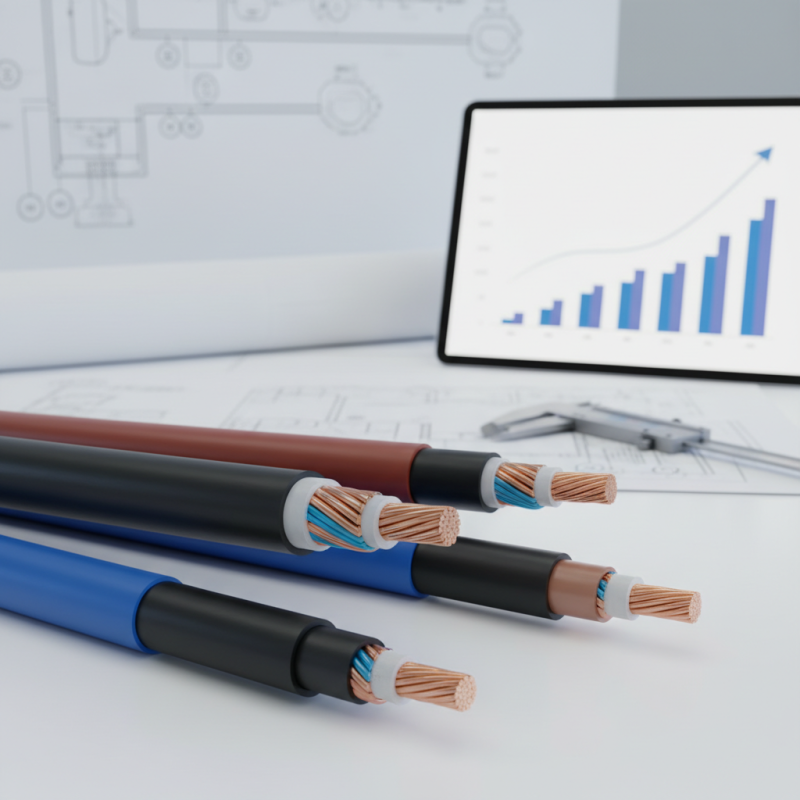
Medium voltage cables play a crucial role in electrical distribution systems. They typically operate at voltages between 1kV and 35kV. These cables are used in various applications, including industrial plants, commercial buildings, and renewable energy systems. The versatility of medium voltage cables makes them essential for efficient power distribution and management.
Selecting the right medium voltage cable requires understanding different insulation materials. Cross-linked polyethylene (XLPE) is widely used due to its excellent thermal and electrical properties. According to industry reports, XLPE cables can handle higher temperatures and offer better dielectric strength. Alternatively, thermoplastic insulation provides flexibility but might not withstand harsh environmental conditions as well as XLPE.
Recent studies show that the demand for medium voltage cables has increased significantly. The global market is expected to reach $XX billion by 2025. This growth signals the importance of investing in quality cable options for long-term projects. Proper installation and regular maintenance are vital to ensure the reliability of the entire electrical system. While many opt for lower-cost alternatives, it is crucial to evaluate the long-term implications of such choices.
Factors to Consider When Selecting Medium Voltage Cables
When selecting medium voltage cables for projects, several factors must be considered. The cable's insulation type plays a crucial role. Common choices include cross-linked polyethylene (XLPE) and ethylene-propylene rubber (EPR), each offering unique benefits. According to a 2022 industry report, XLPE insulation is preferred for its thermal resistance and durability, especially in outdoor environments.
Conductor material is another vital aspect. Copper and aluminum are common options. A 2021 survey highlighted that copper conductors have lower resistance, enhancing efficiency in power transmission. However, aluminum is lighter and more cost-effective. The size of the cable must also align with the load requirements, as undersized cables can lead to overheating and potential failure.
Additionally, environmental conditions are important. Consider temperature ranges, humidity, and chemical exposure. For example, cables used in coastal areas must resist corrosion. Statistics indicate that over 30% of cable failures are linked to environmental factors. Careful evaluation of these elements ensures reliability and longevity in medium voltage cable performance.
Types of Medium Voltage Cables Available in the Market
When exploring medium voltage cable options, it's essential to understand the types available in the market. Medium voltage cables typically operate in the range of 1kV to 35kV. These cables are designed to handle electrical loads for various applications.
Three main types of medium voltage cables stand out:
- XLPE cables: Well-known for their excellent insulation properties and thermal resistance. This makes them suitable for both underground and overhead installations.
- PVC cables: Often used in environments where flexibility and marine requirements are minimal.
- EPR cables: Offer superb performance in extreme temperatures and are preferred for industrial applications.
Selecting the right type can be tricky. Understand your project's specific needs, such as load capacity and environmental conditions. Proper installation and maintenance are crucial for cable longevity. Mistakes here can lead to failures. Therefore, it’s vital to consult with professionals who can provide insights based on experience and local regulations. Feel free to reach out if you're unsure.
Comparing Features and Benefits of Leading Medium Voltage Cable Brands
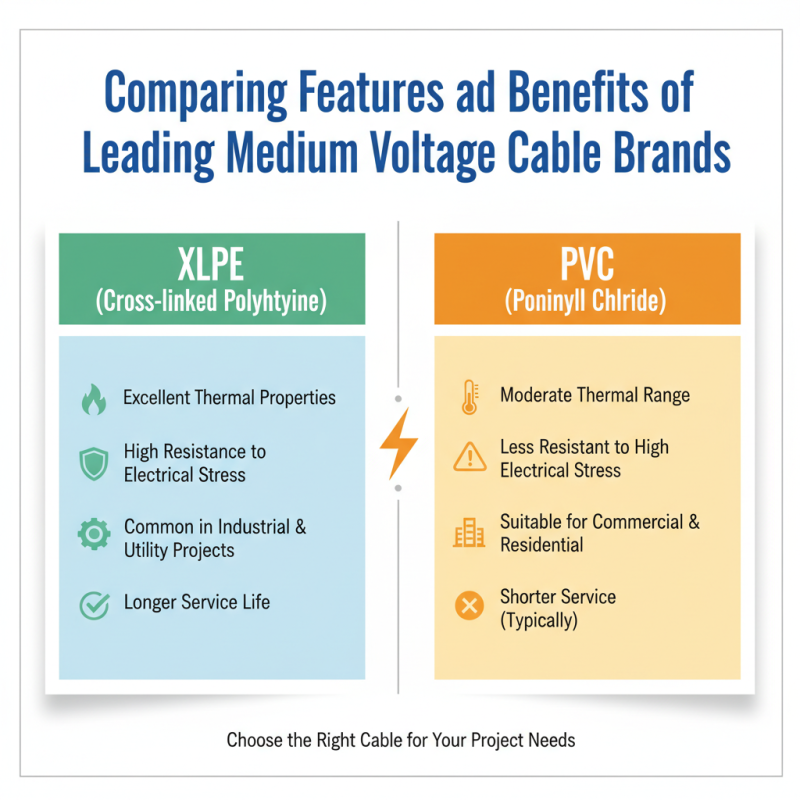
When selecting medium voltage cables, it’s essential to compare the features and benefits of leading brands. Each option comes with unique specifications that cater to different project needs. Insulation materials play a crucial role in determining performance. Cross-linked polyethylene (XLPE) is common, offering excellent thermal properties and resistance to electrical stress. Polyvinyl chloride (PVC) is also popular but may not withstand high temperatures as effectively.
Durability in varying environments is another critical factor. Consider cables that can handle extreme temperatures, moisture, and chemical exposure. Some cables include additional protection against abrasion and UV degradation, enhancing their longevity. Keep in mind the flexibility of the cable. If installations require tight bends, flexibility may be more important than high voltage tolerance. This makes installation easier and reduces the risk of stress fractures.
However, reviewing the technical specifications can be overwhelming. Not every cable may suit your specific application. Project requirements vary, and sometimes overspending on features you’ll never use is a risk. Balancing cost, quality, and performance is key. It is also wise to seek advice from industry professionals who understand local regulations and standards. Engaging with experts may provide insights into which products truly excel in reliability and safety.
Best Practices for Installing and Maintaining Medium Voltage Cables
When installing medium voltage cables, several best practices can enhance performance and longevity. Proper installation techniques are essential. Avoiding sharp bends and ensuring adequate spacing can prevent stress and damage to the insulation. According to industry reports, improper installation can reduce cable life by up to 50%. Adhering to the manufacturer’s specifications is critical for optimal results.
Routine maintenance is equally crucial. Regular visual inspections can identify potential issues before they escalate. Monitoring for signs of wear, heat, or unusual odors can prevent failures. A study showed that proactive maintenance reduces downtime by 30%. Tracking cable performance and making timely adjustments can yield significant long-term savings.
Tips: Always keep cables clean and clear of debris. Recognize that environmental factors, like moisture and temperature, affect cable integrity. If uncertain about specific installation techniques, consult with a professional or refer to industry standards. Remember, investing time in careful planning and maintenance pays off in reliability and efficiency.
Best Medium Voltage Cable Options for Your Project Needs
| Cable Type |
Voltage Rating |
Conductor Material |
Insulation Type |
Typical Applications |
| PVC Insulated Cable |
12kV |
Copper |
PVC |
Industrial Automation |
| XLPE Insulated Cable |
15kV |
Aluminum |
XLPE |
Power Distribution |
| EPR Insulated Cable |
25kV |
Copper |
EPR |
Substation Wiring |
| Paper Insulated Cable |
33kV |
Copper |
Paper and Oil |
Railway Electrification |