How to Choose the Best Aluminum Container for Your Business?
Choosing the right Aluminum Container for your business can be a daunting task. With numerous options available, it’s crucial to narrow down what best suits your needs. Aluminum containers are popular for their durability and lightweight nature. They are commonly used in food service, packaging, and many other applications.
It’s important to consider the size, shape, and lid options. Will you need airtight lids for freshness? Remember, not all aluminum containers are created equal. Some may be more suitable for certain products than others. Reflect on your product's requirements. This decision impacts not only your operations but also customer satisfaction.
Moreover, think about the environmental impact of your choice. Are you supporting eco-friendly practices? Balancing functionality and sustainability is essential. Despite all the options, mistakes can happen. So, evaluate your choice carefully and be ready to adjust as needed. An informed choice today can pave the way for successful outcomes tomorrow.
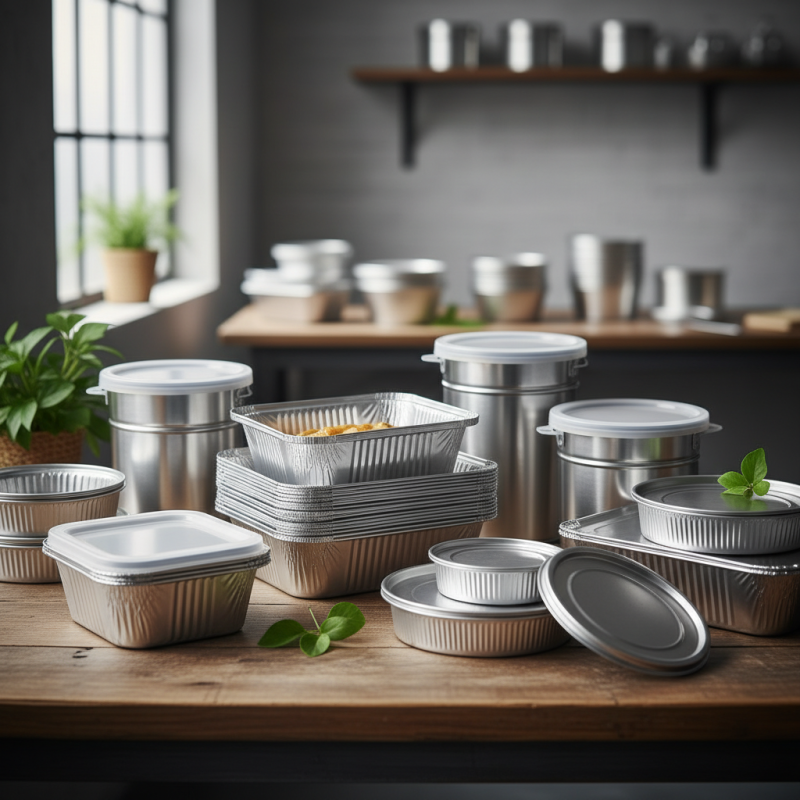
Understanding the Importance of Aluminum Containers in Business Operations
Aluminum containers play a vital role in business operations across various industries. Their lightweight nature and durability are key attributes. These containers resist corrosion and can be reused, reducing waste and saving costs. Many businesses favor aluminum because it’s recyclable, making it a sustainable choice.
However, not all aluminum containers meet the same standards. Understanding the specific needs of your business is crucial. Consider the type of product you aim to store or transport. Not all containers provide the same level of insulation or barrier properties. This is an area often overlooked, yet it can affect product quality significantly.
Moreover, the choice of container can impact your operational efficiency. Choosing the right size and design enhances storage and transport. However, be mindful of the upfront costs. Sometimes cheaper options might compromise quality. This can lead to increased returns or damaged goods, ultimately affecting your brand’s reputation. Assessing these factors offers opportunities for improvement in your business strategy.
Analyzing Different Types of Aluminum Containers and Their Applications
When choosing aluminum containers for your business, it's crucial to analyze their specific applications. Various types include drink cans, food packaging, and custom containers. Each serves a distinct purpose, influencing customer experience and operational efficiency. According to industry reports, aluminum containers retain quality better than some alternative materials. This implies that they can minimize food waste and enhance product shelf life.
For those in the food industry, consider choosing containers with barriers to oxygen and moisture. This can improve product longevity significantly. Research indicates that products stored in high-quality aluminum maintain flavor and freshness for longer periods. Additionally, the lightweight nature of aluminum can reduce shipping costs, benefiting businesses significantly.
Tips: Always assess the end-use of your aluminum containers. Do they need to withstand extreme temperatures? What volume do you require? Understand that not all containers are created equal – some may not meet industry standards. Staying informed about the latest material advancements can also be advantageous. Ensure compliance with safety regulations to avoid potential challenges.
Key Factors to Consider When Selecting Aluminum Containers for Your Needs
When selecting aluminum containers for your business, various factors come into play. Understand your specific needs first. Different applications may require varying container shapes and sizes. For example, if you are packaging food, hygienic standards are essential. If you are using them for industrial use, durability might be your focus.
Pay attention to thickness and weight. Thicker aluminum generally offers better protection but can increase costs. Lighter options may save money but could be less robust. Consider your storage and transport conditions. This will help you make an informed choice that balances cost with functionality.
Another key aspect is recycling and sustainability. Many businesses prioritize eco-friendly packaging. Aluminum containers can be recycled multiple times. Investing in sustainable options can improve your business’s reputation. However, ensure that the suppliers uphold these environmentally friendly practices. These details matter, often more than they seem at first glance.
Evaluating Cost-Effectiveness and Sustainability of Aluminum Packaging Options
When evaluating the cost-effectiveness and sustainability of aluminum packaging, businesses must consider various factors. Aluminum is lightweight, which reduces shipping costs. Its recyclability is a significant plus. Recycling aluminum uses 95% less energy than producing new. This impact on energy consumption is crucial for companies aiming to be eco-friendly. However, the initial cost of aluminum containers can be higher than other materials. It’s essential to assess long-term savings through recycling and reduced waste management expenses.
Tips: Always analyze packaging sources. Look for suppliers with green certifications. Investigate the total cost of ownership, not just upfront costs. Consider the end-of-life process. Are containers easily recycled in your area? Engaging in life cycle assessments can provide clarity on environmental impacts.
Another aspect to ponder is customer perception. Many consumers prefer brands using sustainable materials. This can enhance brand loyalty and attract a larger customer base. However, it’s vital to balance sustainability with practicality. Not all aluminum options are created equal. Some may lack durability or resistance to corrosion. Evaluate product compatibility thoroughly before making a final decision.
Cost-Effectiveness and Sustainability of Aluminum Packaging Options
Industry Standards and Regulations for Safe Use of Aluminum Containers
When selecting aluminum containers for your business, it's crucial to understand the industry standards governing their use. Regulatory bodies outline specific guidelines that ensure packaging safety, quality, and environmental protection. These standards vary by region but generally focus on the materials used, performance testing, and labeling requirements. Complying with these regulations is essential for maintaining consumer trust.
Consider the following tips: Verify if the containers are certified by relevant authorities. Certifications indicate that the product has met safety and quality requirements. Check the container's resistance to corrosion and temperature fluctuations. This helps ensure that the container maintains its integrity over time. Use containers that are recyclable or made from recycled materials. This contributes to sustainability and reduces your environmental footprint.
It's also important to reflect on potential shortcomings. Some aluminum containers may not be suitable for all types of food or products. Misuse can lead to contamination or spoilage. Conduct thorough research on the types of aluminum containers available. Assessing their compatibility with your products can help avoid issues. Being aware of these details can protect your business and ensure customer satisfaction.
How to Choose the Best Aluminum Container for Your Business? - Industry Standards and Regulations for Safe Use of Aluminum Containers
| Container Type | Common Uses | Benefits | Regulations |
| Aluminum Foil Containers | Catering, Take-out Food | Lightweight, Recyclable, Heat Resistant | FDA Food Safety Standards |
| Aluminum Cans | Beverage Packaging | Durable, Efficient for Transportation | Consumer Product Safety Commission (CPSC) |
| Aluminum Trays | Baking, Food Preparation | Non-Reactive, Versatile Usage | USDA Regulations |
| Aluminum Tubs | Ice Cream, Food Storage | Insulative Properties, Lightweight | Food and Drug Administration Guidelines |