Why Choose the Best Bridge Crane Trolley for Your Needs?
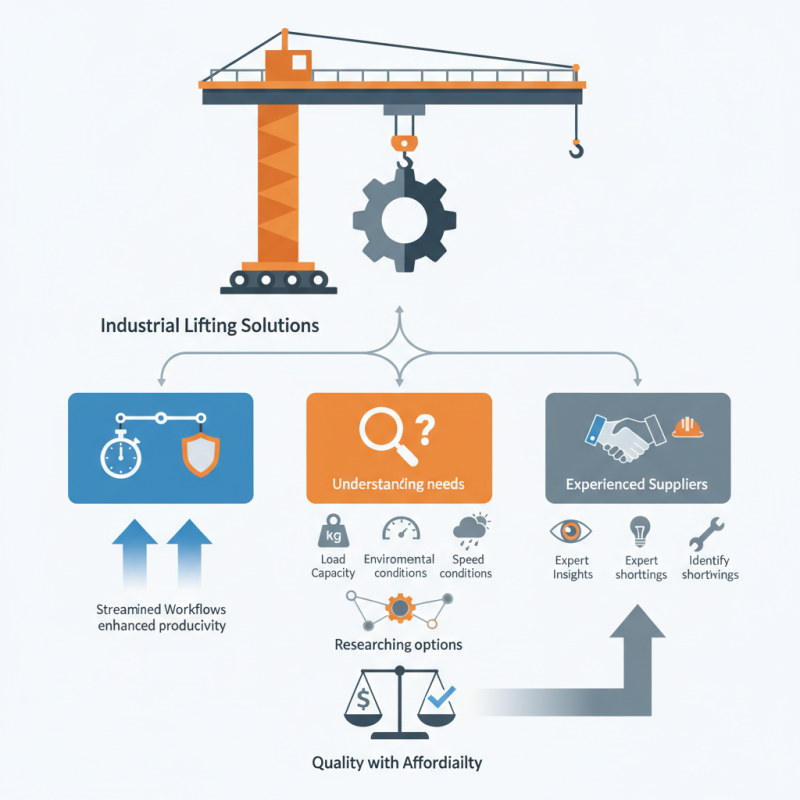
When it comes to industrial lifting solutions, choosing the right bridge crane trolley is crucial. The efficiency and safety of your operations rely heavily on this decision. A well-chosen bridge crane trolley can streamline workflows and enhance productivity. On the other hand, a poor selection might lead to operational delays or even safety hazards.
Understanding your specific needs is essential. Different projects require different types of bridge crane trolleys. Factors such as load capacity, speed, and environmental conditions matter. It's not just about picking the first one you see. Researching options and specifications ensures you find a suitable match.
Working with experienced suppliers can greatly aid in your selection process. Experts can provide insights into the performance of various models. They can also help identify any potential shortcomings. A reliable bridge crane trolley should fit your unique requirements, balancing quality with affordability. This careful approach will enhance both safety and efficiency in your operations.
Understanding Bridge Crane Trolleys: Types and Applications
Bridge crane trolleys are essential tools in various industries. They are designed to transport heavy loads across large spans. Understanding the types and applications of these trolleys can help in selecting the right one for your needs.
There are several types of bridge crane trolleys. Manual trolleys are great for smaller loads. They require physical effort but are cost-effective. Electric trolleys, however, are ideal for heavy loads and frequent use. They save time and labor, making them a popular choice in warehouses.
**Tips:** Consider your operational environment. If space is tight, opt for a compact trolley. If your loads are heavy and frequent, prioritize electric options for efficiency.
When choosing a trolley, think about compatibility. Ensure the trolley fits well with your existing crane system. Improper fit can lead to safety hazards. Additionally, reflect on how often you will use it. Invest in quality, especially for daily operations, to minimize long-term costs.
**Tips:** Regular maintenance is vital. It extends the life of your trolley and keeps operations smooth. Don't overlook factors like load capacity and safety features. They are crucial for efficient and secure lifting.
Key Specifications to Consider When Choosing a Bridge Crane Trolley
When selecting a bridge crane trolley, several key specifications demand attention. Load capacity is paramount. It defines how much weight the trolley can safely handle. Knowing your lifting needs prevents overloading, which can lead to accidents. Trolleys are rated by their load limits. Choosing a trolley that exceeds your requirements is often wise.
Next, consider the trolley's construction material. Common materials include steel and aluminum. Steel trolleys offer strength but come with added weight. Aluminum trolleys are lighter, enhancing maneuverability. Think about your workspace. A lightweight trolley can navigate tight areas more easily. The durability of the trolley is equally important. Look for robust designs that last through heavy use.
The wheel type also affects performance. Rubber wheels provide better traction but might wear quicker. Steel wheels are more durable but can damage floors. Reflect on your operating environment. Indoor versus outdoor use can influence this choice. Each specification plays a critical role in the trolley’s efficiency and safety. Knowing these details aids in making a wise decision.
Industry Standards and Safety Regulations for Bridge Crane Trolleys
When selecting a bridge crane trolley, understanding industry standards and safety regulations is crucial. The Occupational Safety and Health Administration (OSHA) mandates specific load testing and maintenance standards. These ensure the trolleys safely handle their rated loads, which can reach thousands of pounds. For example, a study by the Industrial Truck Association (ITA) found that poorly maintained trolleys lead to a 30% increase in workplace accidents. This stark statistic highlights the importance of adherence to safety protocols.
Bridge crane trolleys must also comply with the American National Standards Institute (ANSI) standards. These guidelines specify design, manufacturing, and operational criteria. For instance, the ANSI/ASME B30.2 standardoutlines requirements for overhead and Gantry Cranes, including trolley safety features. Regular inspections are essential. A report from theNational Safety Council indicated that regular checks reduce failure rates by 50%. This data reflects the need for sound practice and routine evaluations in maintaining safety.
Despite rigorous regulations, flaws in the system can arise. Inconsistent training among operators is a common gap. Operators should be well-versed in safety practices to mitigate risks. Robust training programs can ensure a higher level of competency. However, training alone cannot replace the importance of well-designed equipment. This reinforces the continuous need for improvement in safety measures.
Comparative Analysis: Manual vs. Electric Bridge Crane Trolleys
When considering bridge crane trolleys, understanding the differences between manual and electric options is vital. Manual trolleys require operator strength and skill. They are cost-effective and simple. However, manual operation can lead to fatigue over time. This can affect productivity and safety. Workers must be trained properly, which adds another layer of consideration.
On the other hand, electric trolleys offer ease and efficiency. They reduce the physical strain on operators. With a push of a button, heavy loads move smoothly. This is particularly advantageous in busy environments. Yet, electric trolleys can be more expensive to maintain. They also require regular checks for electrical safety. Operators must be aware of potential malfunctions, which adds complexity.
Both options have their merits and drawbacks. Manual trolleys can serve specific tasks well, but they may not be ideal for high-volume work. Electric trolleys streamline operations but can incur higher costs. Ultimately, the decision should align with your specific needs and operational capacity. Understanding these elements ensures you choose wisely.
Long-Term Cost Benefits of Investing in Quality Bridge Crane Trolleys
Investing in a high-quality bridge crane trolley can lead to significant long-term cost benefits. A robust trolley reduces maintenance expenses. Frequent repairs drain resources and time. A well-crafted trolley minimizes these disruptions. Choosing quality means fewer breakdowns. In turn, this ensures smooth operations.
Quality trolleys also enhance safety in the workplace. Safety audits often reveal that subpar equipment contributes to accidents. Investing in a quality trolley can prevent workplace injuries. It helps to comply with safety regulations. Though the initial costs may seem steep, the savings on safety-related issues are substantial.
Additionally, a premium trolley usually has a longer lifespan. This means that, over time, the cost per use decreases. However, not all high-end options are perfect; some may still fall short in certain environments. Regular evaluations and maintenance are necessary, even for the best equipment. Reflecting on the choice you make today can save a lot in the future.