How to Choose the Best Rechargeable Lithium Batteries for Your Needs?
Choosing the right Rechargeable Lithium Batteries can significantly impact your devices' performance and longevity. As industry research indicates, the rechargeable lithium battery market is projected to reach $16.5 billion by 2025, reflecting its growing importance in consumer electronics and renewable energy. With many options available, users face the challenge of selecting batteries that best suit their specific needs.
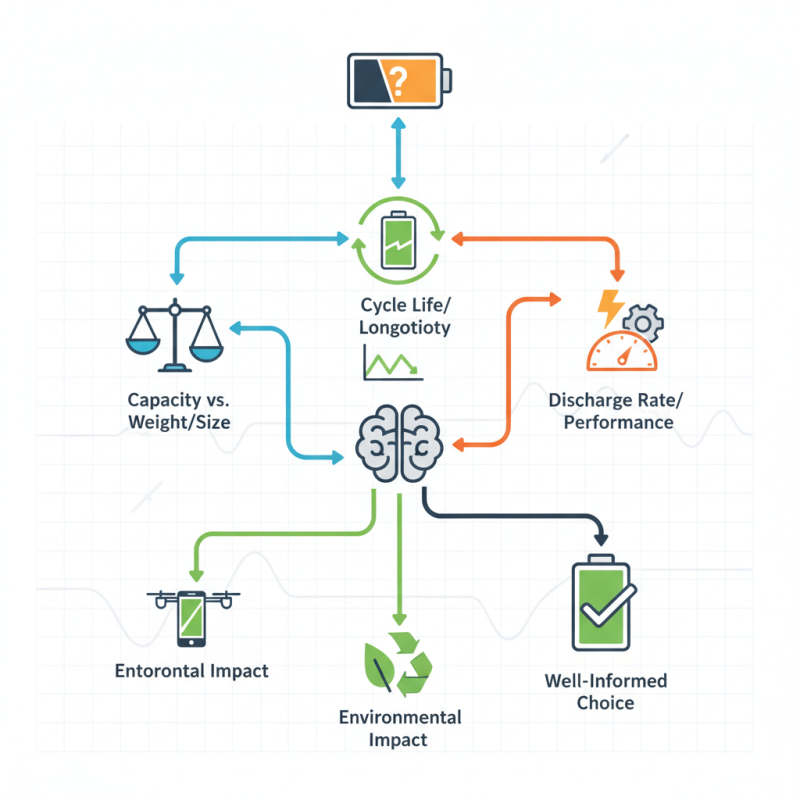
It's essential to consider battery capacity, cycle life, and discharge rates when making your decision. For instance, a higher capacity often leads to longer usage times. Yet, it's crucial to balance capacity with weight and size, especially for portable devices. A report by Bloomberg NEF revealed that lithium-ion batteries can degrade over time, reducing efficiency. This highlights the necessity of understanding the trade-offs involved in battery selection.
Additionally, consumers should be aware of the potential environmental impact of lithium batteries. This concern adds another layer of complexity to the decision-making process. By reflecting on these factors, you can make a well-informed choice. Ultimately, selecting the right rechargeable lithium batteries involves careful consideration of your devices, usage patterns, and environmental implications.
Understanding the Basics of Lithium Batteries
Lithium batteries have transformed the way we power our devices. They are lightweight and pack a significant amount of energy. Understanding the chemistry and structure of lithium batteries is essential to making informed choices. These batteries typically consist of lithium compounds, which are key to their efficiency and longevity.
When evaluating lithium batteries, it's important to consider capacity and voltage. Capacity is measured in milliamp-hours (mAh). A higher mAh rating means more energy storage. Voltage, usually around 3.7 volts for lithium-ion batteries, indicates how much power can be delivered. Always check compatibility with your devices.
Pay attention to charging cycles, a critical factor in battery lifespan. Most lithium batteries can handle hundreds of charge cycles before performance declines. However, not every battery is created equal. Some may degrade faster than expected. Always look for reliable sources when choosing batteries, as quality can vary significantly.
How to Choose the Best Rechargeable Lithium Batteries for Your Needs? - Understanding the Basics of Lithium Batteries
| Battery Type | Capacity (mAh) | Voltage (V) | Cycle Life | Charge Time (hrs) | Weight (g) |
| 18650 Lithium Ion | 2000 | 3.7 | 500 | 4 | 46 |
| 21700 Lithium Ion | 3000 | 3.7 | 800 | 4.5 | 70 |
| AA Lithium Ion | 2500 | 3.7 | 500 | 3 | 25 |
| CR123A Lithium | 1500 | 3.0 | 10 | 1.5 | 17 |
Evaluating Capacity and Voltage for Your Specific Devices
Choosing the right rechargeable lithium batteries involves careful assessment of capacity and voltage. Capacity is typically measured in milliampere-hours (mAh). This metric indicates how much energy a battery can store. For instance, devices requiring higher power, like cameras, benefit from batteries exceeding 2000 mAh. Meanwhile, smaller devices, such as remote controls, may only require 1000 mAh. A well-balanced capacity lengthens the device's operation time significantly.
Voltage plays a crucial role in device compatibility. Most devices operate optimally at 3.7 volts, the standard for lithium batteries. A mismatch can cause underperformance or, in some cases, damage the device. Research suggests that nearly 30% of battery-related issues stem from improper voltage selection. Users should consult device manuals for specifications to ensure that chosen batteries meet or exceed these requirements.
Selecting the best battery goes beyond just looking at numbers. Many consumers overlook the importance of reputable suppliers. Batteries from unknown sources can vary widely in quality. Data shows that low-quality batteries often perform poorly, failing within months. Investing in reliable options is essential for maintaining device performance over time. Evaluate and reflect on the choices to ensure optimal functionality.
Comparing Different Brands and Their Performance Ratings
When choosing rechargeable lithium batteries, performance ratings from various brands can greatly influence your decision. These ratings often reflect the battery's capacity, cycle life, and efficiency. High-capacity batteries typically last longer, but they can come at a higher price. It’s essential to balance your needs with budget constraints for the best value.
Different brands may claim superior performance, but real-world testing reveals variances. Some batteries excel in high-drain devices, while others may struggle. Users often report mixed results with longevity and charging time. This inconsistency can be frustrating and should prompt careful consideration. Reading user reviews can provide insight into the practical performance of different brands.
Additionally, look at warranty offers and customer service. Brands that stand behind their products often show confidence in performance. A robust warranty can safeguard your investment. However, some brands may not deliver on their promises. Investigating both positive and negative feedback can help mitigate risk. Selecting the right rechargeable lithium battery involves weighing multiple factors and finding the best fit.
Maintenance Tips for Prolonging Battery Life and Efficiency
When it comes to rechargeable lithium batteries, maintenance is key. Proper care can extend their life and ensure optimal performance. One vital tip is to always store your batteries in a cool, dry place. Extreme heat or humidity can degrade the cells, reducing capacity over time. Regularly check your batteries for any signs of wear or damage. A small crack can lead to major issues later.
Charging practices matter too. Avoid letting your batteries fully discharge. Instead, aim to recharge them when they reach about 20%. This habit can prevent degradation of their lifespan. Additionally, using the correct charger is essential. Using an incompatible charger can pose risks, like overheating or even battery failure.
Finally, consider your usage patterns. If you use batteries frequently for high-drain devices, reevaluating your choice might be necessary. Frequent charging can generate heat, which is detrimental. Reflect on your needs. Sometimes, simplicity might lead to better efficiency. By implementing these tips, you can ensure your lithium batteries serve you well for years.