2026 How to Choose the Right Cable Rubber for Your Needs?
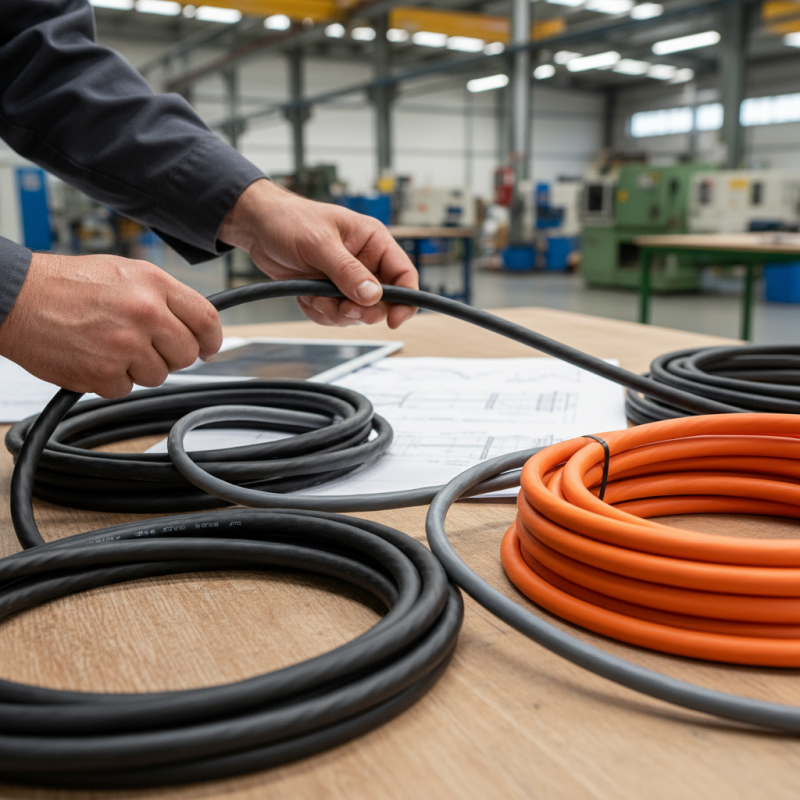
Choosing the right cable rubber is crucial for various applications. Not all cable rubbers are created equal. Different environments and uses demand specific qualities in cable rubber. Knowing these differences can save time and increase safety.
When selecting, consider factors like durability, flexibility, and weather resistance. Each project might require unique specifications. For example, outdoor cables need rubber that withstands UV rays and temperature changes. The right type minimizes the risk of damage and enhances performance.
Consulting with industry experts can provide valuable insights. They can recommend the best options based on professional experience. Online resources also offer guidance, but personal expertise often makes a significant difference. Reflect on your needs and prioritize quality. Finding the right cable rubber could shape the success of your project.
Understanding the Basics of Cable Rubber Materials
When it comes to selecting the right cable rubber, understanding the materials is crucial. Rubber compounds serve as protective layers for cables, ensuring insulation and durability. Common materials include EPDM, neoprene, and silicone, each offering unique benefits. EPDM is great for weather resistance, while neoprene is ideal for oil exposure. Silicone remains flexible at extreme temperatures, making it a reliable choice.
It's essential to evaluate the intended application. For outdoor use, resistance to UV rays and moisture is vital. Indoor applications may prioritize flame retardancy and chemical resistance. Analyze the environment where the cables will operate. Harsh conditions can lead to premature failure if the wrong type of rubber is chosen. A mismatch can elevate costs and lead to safety risks.
Reflecting on these factors is necessary. Sometimes, we might focus too much on price rather than performance. While a cheaper option may seem appealing, it could cost more in the long run. Conducting thorough research into material properties can save time and resources. Understanding cable rubber options empowers better decisions for any project.
Evaluating the Key Properties of Cable Rubber Types
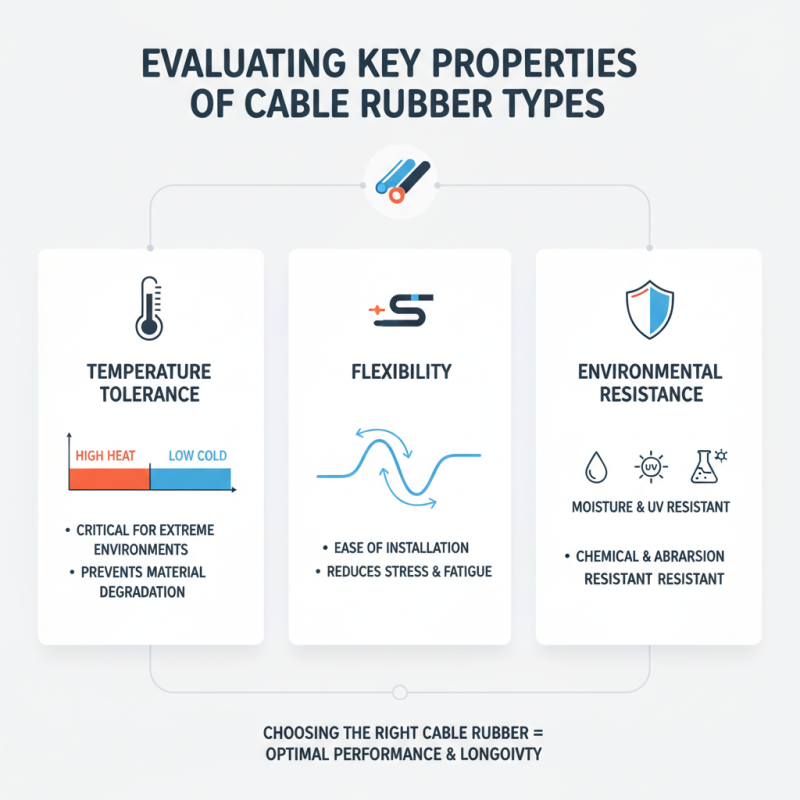
Choosing the right cable rubber is crucial for any project. The key properties that define cable rubber types include temperature tolerance, flexibility, and resistance to environmental factors. Each of these properties greatly influences the performance and longevity of cables.
Consider temperature tolerance first. Different rubber types can withstand various heat levels. This affects their efficiency in specific applications. Flexibility is also vital; cables need to bend without breaking. Resistance to chemicals, UV light, and moisture is another significant factor. These elements can cause deterioration over time, reducing the lifespan of cables.
Tips: Assess your operational environment. If cables will face extreme temperatures, opt for specialized rubber types. Ensure that the rubber can handle potential exposure to oils or solvents. Also, think about how often cables will be moved or flexed. Flexibility ratings can guide you in making the right choice.
Understanding these properties helps in selecting the cable rubber that meets your needs. Feel free to reevaluate your options as new materials become available. The right choice depends on a balance of these factors, tailored to your specific requirements.
Comparing Pricing and Performance of Different Cable Rubber Options
When choosing the right cable rubber, pricing and performance are crucial. Different rubber options vary significantly in quality, which impacts overall performance. Cheaper materials may save costs upfront but can lead to long-term issues. Consider how the rubber will be used. Will it face extreme temperatures or harsh chemicals? Those factors affect both pricing and durability.
Tips: Always investigate the material composition. Certain rubbers resist wear and tear better than others. Look for certifications that indicate quality. Reliable suppliers often provide detailed specifications. Performance can be subjective, so read reviews from other users. Sharing experiences can help gauge if a specific type of cable rubber meets your needs.
Take time to compare different options. Sometimes, higher-priced cables offer better warranties. This can translate to savings in maintenance. On the other hand, do not ignore less expensive options. They might work perfectly for your situation. Make informed decisions based on thorough research. Test different types before making a bulk purchase. Quality does matter, and it directly impacts safety.
Consulting Experts and Resources for Informed Decision-Making
Selecting the right cable rubber can be a daunting task. Many factors influence your choice, including the environment, temperature resistance, and flexibility. Consulting experts is crucial. They can provide insights based on experience and technical knowledge. This guidance helps ensure that you select materials suited for your specific applications.
Resources like industry standards and testing protocols should also be part of your research. They offer reliable data on durability and performance. Not all rubber cables are created equal. Sometimes, an option that seems ideal may fall short in real-world applications. Testing samples under expected conditions is wise. Gather feedback from those who have faced similar challenges. Learning from their experiences can prevent costly mistakes down the line.
Understanding the nuances of cable rubber is vital in making informed decisions. It’s okay to admit uncertainty about certain aspects. Research can often leave unanswered questions. Engaging with knowledgeable professionals can bridge that gap. This collaboration cultivates a better understanding of your requirements. Always remain open to adjustments as you learn more.
2026 How to Choose the Right Cable Rubber for Your Needs?
| Cable Type |
Temperature Range (°C) |
Voltage Rating (V) |
Chemical Resistance |
Application |
| EPDM Rubber |
-40 to 120 |
600 |
Good |
Outdoor Use |
| Silicone Rubber |
-60 to 200 |
300 |
Excellent |
High-Temperature Applications |
| Neoprene Rubber |
-40 to 120 |
600 |
Good |
General Purpose |
| Natural Rubber |
-50 to 85 |
300 |
Fair |
Flexible Applications |
| Fluoroelastomer (FKM) |
-20 to 200 |
600 |
Excellent |
Chemical Processing |