What is a Micro Switch and How Does It Work?
micro switches are essential components in many devices we use daily. They are small, yet highly effective switches that respond to physical pressure. Often found in appliances and machinery, these switches help control circuits and operational functions. The design of micro switches allows them to activate quickly, enhancing efficiency in various applications.
Understanding how micro switches work provides insight into their significance. When pressure is applied to a lever, the switch toggles, instantly opening or closing an electrical circuit. This simple mechanism plays a crucial role in devices like vending machines and automotive systems. The reliability of micro switches can sometimes be underestimated.
However, their small size does not diminish their importance. Every connection made by a micro switch contributes to broader operational efficiency. This aspect can lead to overlooked maintenance needs, as devices still function well until a failure occurs. Recognizing the intricacies of micro switches invites reflection on how we value these tiny yet powerful components in our technology-driven lives.
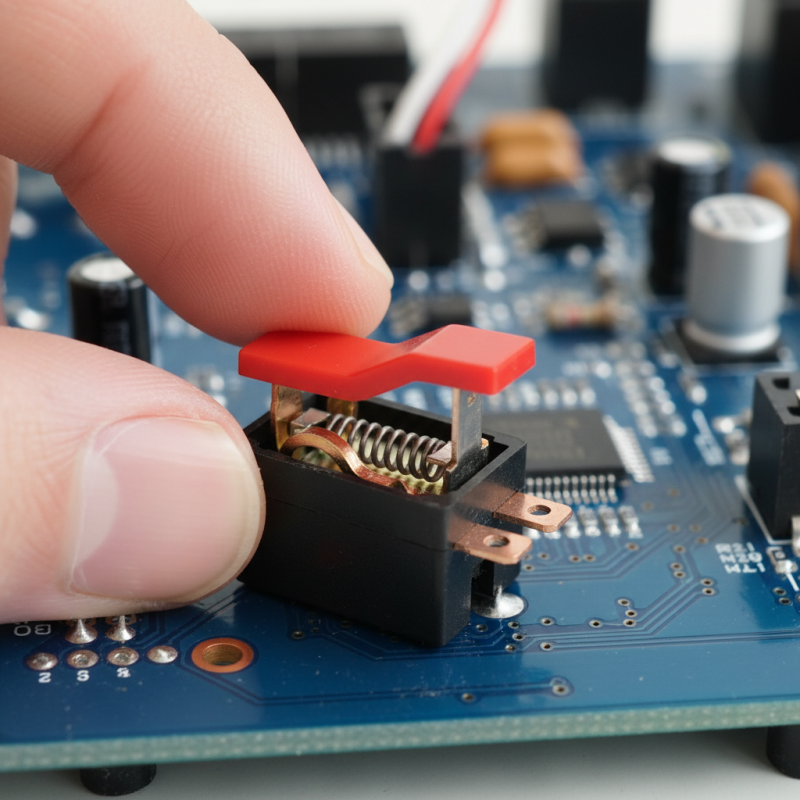
What is a Micro Switch?
A micro switch, also known as a snap-action switch, is a compact device widely used in various applications. It operates with a simple mechanism. When a small force is applied, the switch “snaps” into action. This provides reliable and consistent performance. Reports indicate that the micro switch market is expected to grow at a compound annual growth rate (CAGR) of 7.5% from 2020 to 2025. Such growth highlights its importance in the automation industry.
Micro switches are essential in many devices, including vending machines and security systems. They often feature a metal lever or button. This design helps ensure quick and precise activation. A study found that about 70% of industrial applications utilize micro switches for their durability and efficiency. However, one must consider that not all micro switches are identical. Variations in quality and design can lead to varying performance levels.
Some designs may not withstand harsh environments. In industries like automotive, reliability is crucial. A faulty micro switch can result in significant downtime. It’s important to carefully choose the right type of switch for each application. A deeper understanding of the specific needs and potential challenges can lead to better decisions in choosing micro switches.
The Historical Development of Micro Switch Technology
The development of micro switch technology has a rich history. It began in the early 20th century, when engineers sought more reliable electrical control mechanisms. Early switches were often bulky and less efficient. The invention of the micro switch changed everything. This compact switch offered precision and quick response times, making it a preferred choice.
As technology advanced, micro switches became more refined. They found applications in various devices, from home appliances to industrial machines. Their small size allows for easy integration into complex systems. However, the way they were initially designed raised some concerns. Early versions were prone to wear and tear. This made durability a critical factor in later designs.
Despite these challenges, micro switches flourished. Engineers learned from past mistakes and improved the materials used. Today, they are known for their reliability and sensitivity. Still, there is room for further innovation. The quest for even better performance continues. Designers strive to create switches that last longer and perform better under extreme conditions.
Key Components of a Micro Switch and Their Functions
Micro switches are small but essential components in many devices. These switches are designed to activate with a light touch. They are commonly found in appliances, automotive systems, and industrial equipment. Their key components include an actuator, contacts, and a housing.
The actuator is the part that triggers the switch. It can be a lever, push button, or roller. When pressed, it causes the contacts inside to either open or close the circuit. This action is quick and reliable, making micro switches highly effective. The contacts are often made of metal, ensuring a robust connection when they close.
The housing protects the internal components. It also provides a base for mounting. While micro switches come in various designs, the basics remain the same. Mistakes can happen in placement or selection, leading to malfunction. Understanding their components helps in making better choices. Awareness of how each part works provides insight into potential issues.
How Micro Switches Operate: The Mechanism Explained
Micro switches are crucial components in various applications, controlling circuits in everything from appliances to industrial equipment. Their operation relies on a simple yet effective mechanism. When an external force is applied, a lever or actuator moves. This movement then presses against a spring-loaded contact, creating a definitive electrical connection. According to industry reports, these components can endure millions of operations, showcasing their durability.
The design of a micro switch is quite fascinating. They often feature a snapping action, which occurs when the internal mechanism transitions from open to closed states. This action provides a tactile feedback, ensuring users know when the switch has been activated. For example, in automotive applications, micro switches confirm door closures and ensure safety features engage correctly. However, not all switches perform flawlessly over time. Environmental factors, such as dirt or moisture, can compromise their functionality.
In some cases, even the most reliable switches can fail unexpectedly. Research suggests that nearly 5% of micro switches may face operational failures due to wear or improper installation. This highlights the importance of routine maintenance and inspection. Regular checks can identify issues before they lead to larger system failures, ensuring the longevity and reliability of micro switches in critical operations.
Micro Switch Operations Overview
This chart illustrates the operational characteristics of micro switches, showcasing the relationship between the force applied (in grams) and the operational position (in millimeters). It helps to understand how micro switches respond to different levels of pressure.
Common Applications of Micro Switches in Various Industries
Micro switches are small yet powerful devices that play an essential role in many industries. Their quick response and reliability make them ideal for various applications. In household appliances, for instance, they ensure that safety mechanisms work properly. The switch can detect when a door is closed, allowing a microwave or oven to operate safely. Without micro switches, many daily tasks could be hazardous.
In industrial settings, micro switches help control machinery. They can signal when a machine reaches a specific point or detect irregularities. This quick feedback can prevent accidents. In the automotive industry, micro switches control functions like the trunk and headlights. They respond instantly to user inputs, improving safety and convenience. However, the placement and integration may sometimes lead to failures if not addressed correctly. Regular maintenance is crucial for maximizing their efficiency.
While micro switches are reliable, they can sometimes be overlooked. Users may forget to check their status, leading to operational issues. Misalignment or dirt can hinder their performance. In high-usage environments, they may wear out quickly and require replacement. Careful planning and monitoring are essential for their longevity and effectiveness in all applications.
What is a Micro Switch and How Does It Work? - Common Applications of Micro Switches in Various Industries
| Industry | Common Applications | Micro Switch Functionality |
| Automotive | Seat Belt Sensors | Detects seat belt engagement |
| Home Appliances | Microwave Door Switch | Ensures the door is closed before operation |
| Industrial Automation | Machine Safety Interlocks | Prevents machine operation during maintenance |
| Consumer Electronics | Keyboard Buttons | Registers key presses for input |
| Medical Devices | Patient Monitoring Equipment | Activates alarms based on conditions |
| Telecommunications | Ringer Control in Phones | Activates ringer when receiving a call |