What is Sustainable Glass Bottles and Why Choose Them?
Sustainable Glass Bottles have emerged as a pivotal solution in reducing environmental impact. In recent years, the global packaging industry has recognized the challenges posed by plastic waste. According to a 2021 report by the World Economic Forum, around 300 million tons of plastic are produced annually, with only 9% being recycled. This alarming statistic underscores the urgent need for innovative materials, such as sustainable glass bottles.
Sustainable glass bottles are made from renewable and recyclable materials. They offer an alternative to single-use plastics, which are contributing to significant pollution. In fact, a study by McKinsey & Company indicated that transitioning to sustainable packaging could reduce greenhouse gas emissions by up to 78%. These bottles are not just environmentally friendly; they preserve the quality of beverages better than plastic.
Choosing sustainable glass bottles is not merely a trend. It reflects a growing consciousness among consumers and industries alike. Brands that adopt sustainable practices often report increased customer loyalty. However, challenges remain in the widespread adoption of these products. Cost and logistics can complicate the shift. Nonetheless, the transition is essential for a sustainable future.
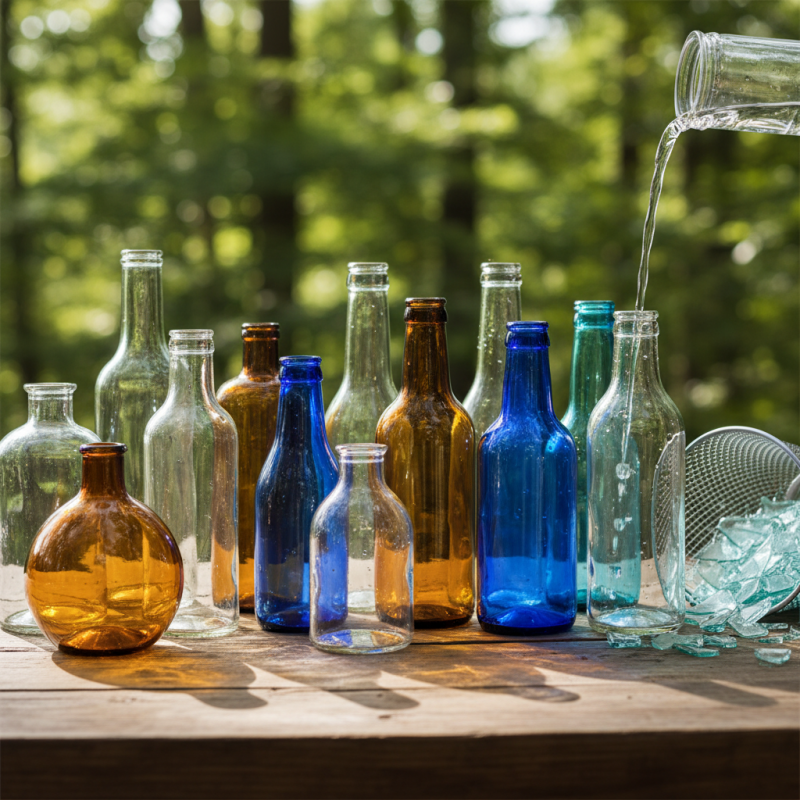
What are Sustainable Glass Bottles and Their Benefits to the Environment?
Sustainable glass bottles are an eco-friendly alternative to plastic packaging. Made from natural materials, they offer many benefits to the environment. One key advantage is their recyclability. Glass can be recycled endlessly without losing quality. This reduces the demand for new materials and lowers carbon emissions from production.
Choosing sustainable glass bottles can also help reduce plastic pollution. Every year, millions of plastic bottles end up in oceans and landfills. This poses a significant threat to wildlife and ecosystems. By opting for glass, consumers can play a role in protecting the planet.
While glass bottles are heavier and can break more easily, they ultimately offer a more sustainable choice. The production process for glass is energy-intensive, which raises some concerns. It’s essential to consider these factors. Transitioning to sustainable options involves weighing the pros and cons. However, the long-term benefits for our environment are undeniable.
Key Environmental Impact Statistics of Glass Bottles in Comparison to Plastics
Glass bottles are garnering attention for their sustainability. They are produced from abundant natural materials like sand, limestone, and soda ash. Unlike plastic, glass can be recycled indefinitely without losing quality. This significantly reduces the need for new raw materials and energy.
Environmental statistics highlight the stark differences between glass and plastic. A single glass bottle can take about one million years to decompose. In contrast, plastic bottles may break down into microplastics, damaging ecosystems in a shorter time frame. Approximately 29% of plastic bottles are recycled, while glass bottles boast a recycling rate of around 50%. This discrepancy indicates how much glass still contributes to waste reduction.
However, some challenges exist. The production of glass bottles consumes more energy than plastics. This consideration raises questions about the overall impact of glass versus plastic. Many consumers remain unaware of these issues. It's essential to look beyond common perceptions and make informed choices. Balancing environmental benefits with energy use requires careful thought.
What is Sustainable Glass Bottles and Why Choose Them? - Key Environmental Impact Statistics of Glass Bottles in Comparison to Plastics
| Category | Glass Bottles | Plastic Bottles |
| Recyclability Rate | Over 90% | Approximately 30% |
| Carbon Emissions (per bottle) | 0.50 kg | 0.25 kg |
| Energy Used in Production | 6.8 MJ | 2.5 MJ |
| Biodegradability | Non-biodegradable | Up to 450 years |
| Impact on Wildlife | Lower risk | Higher risk |
The Lifecycle of Sustainable Glass Bottles: From Production to Recycling
The lifecycle of sustainable glass bottles begins with responsible sourcing. High-quality raw materials like silica sand are essential. These materials are abundant, but the extraction process can still harm the environment. The key is to find a balance between resource use and environmental impact.
Production involves melting these raw materials at high temperatures. This process consumes a lot of energy, but strides in efficiency have been made. Many manufacturers now use renewable energy sources. Innovative techniques reduce carbon emissions. Despite the advancements, challenges remain in ensuring widespread adoption.
Recycling is a critical phase. Glass can be recycled endlessly without losing quality. This makes it a favorite for eco-conscious consumers. However, not all glass is recycled effectively. Many bottles still end up in landfills, highlighting a need for better waste management practices. Communities must work together to increase recycling rates, making glass bottles truly sustainable.
Market Trends: Increasing Demand for Eco-Friendly Packaging Solutions
As the world becomes more environmentally conscious, the demand for eco-friendly packaging solutions is on the rise. Many businesses are now turning to sustainable glass bottles as a viable option. These bottles not only reduce plastic waste, but they also provide a reusable and recyclable alternative. Consumers are increasingly looking for products that align with their values. Glass bottles stand out because they are made from natural materials and can be recycled endlessly without losing quality.
Adopting sustainable glass bottles can positively impact brand perception. Customers appreciate brands that prioritize the environment. This shift in consumer behavior reflects a broader trend towards sustainability. However, the transition isn't without challenges. Some companies may struggle with the initial costs of switching to glass or face logistical hurdles in supply chains.
Tips: Consider partnering with local suppliers for materials. This can reduce carbon footprints and support local economies. Also, educate your customers about the benefits of glass. Providing information on recycling programs can enhance customer loyalty. A transparent approach fosters trust and promotes sustainable practices, ultimately benefiting both the planet and your business.
How Brands are Adopting Sustainable Glass Bottles to Enhance Consumer Loyalty
Brands today are recognizing the vital role of sustainable glass bottles in boosting consumer loyalty. According to a recent report from the Global Data Group, 75% of consumers prefer products in sustainable packaging. This preference creates a significant opportunity for companies to connect with environmentally conscious consumers. By choosing glass over plastic, brands not only reduce their carbon footprint but also appeal to this growing demographic.
Many companies are pivoting to sustainable glass bottles as part of their packaging strategy. Research from the Nielsen Company indicates that products with eco-friendly packaging achieve up to 30% more sales than their conventional counterparts. Glass bottles are infinitely recyclable and maintain product integrity, which resonates with consumers seeking quality. Yet, the transition is not without challenges. Brands must consider the higher costs of glass production and transportation. This may push some to reflect on the balance between sustainability and profitability.
The challenge encourages innovation. Some brands are experimenting with lightweight glass, which reduces transport emissions. They are also exploring local sourcing for materials to minimize their carbon impact. This shift can lead to genuine consumer engagement, as 58% of buyers are more likely to support brands that demonstrate a commitment to sustainability. Embracing sustainable glass bottles could significantly reshape the future of brand loyalty and consumer relationships.
Adoption of Sustainable Glass Bottles by Brands
This chart illustrates the percentage of brands adopting sustainable glass bottles over the past five years, showcasing a clear trend towards eco-friendly packaging solutions.