





Top 10 Electric Cable Manufacturers for Global Buyers?
Electric Cables are becoming strategic infrastructure, not simple industrial components. Global buyers now evaluate them for safety, conductivity, durability, traceability, and delivery reliability.
The International Energy Agency’s Electricity Grids and Secure Energy Transitions report estimates that more than 80 million kilometres of grids must be added or upgraded worldwide by 2040. It also states that annual grid investment must nearly double from current levels. These figures show why manufacturers matter beyond factory capacity. A delayed submarine cable can hold up an offshore wind project. A poorly specified medium-voltage cable can create costly maintenance risks.
Fatih Birol, Executive Director of the IEA, described electricity grids as “the backbone of clean energy transitions.” His statement captures the wider market pressure. Manufacturers must support renewable generation, data centres, transport electrification, and resilient urban networks. Yet no ranking can be perfectly objective. Prices, certifications, regional plants, copper sourcing, and after-sales support change from project to project.
This guide compares ten leading Electric Cables manufacturers for global buyers. It considers product range, international reach, testing capability, sustainability reporting, and proven project experience. It also recognises an uncomfortable detail: the largest supplier is not always the best fit. A regional producer may offer faster technical support or better compliance knowledge. Buyers should verify current certificates, factory approvals, conductor standards, fire performance, and delivery records before signing contracts. Small details matter. A missing test document can become a major project delay.
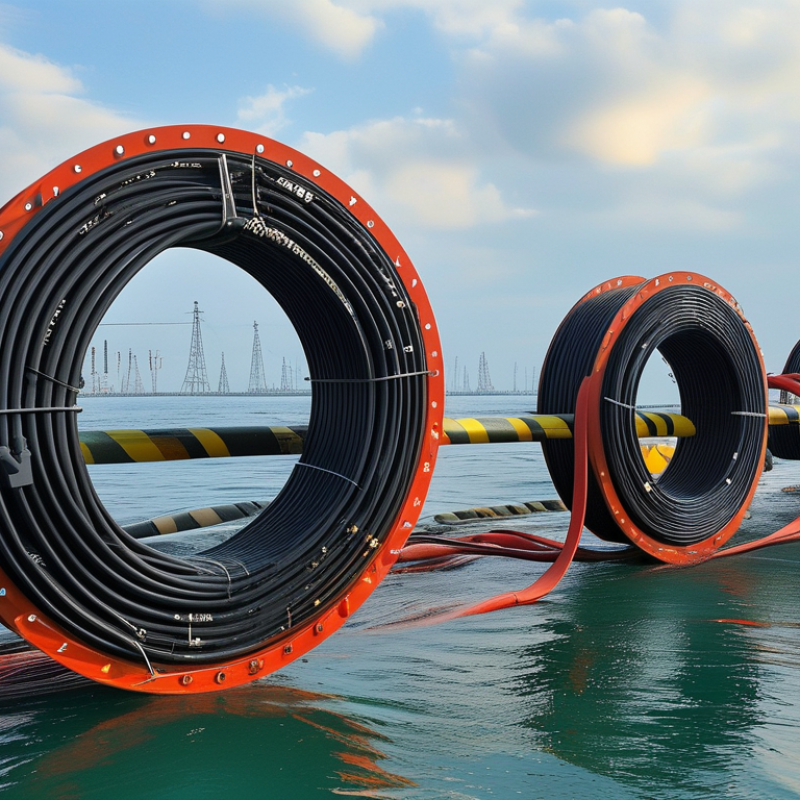
What Defines a Leading Electric Cable Manufacturer?
A leading electric cable manufacturer delivers more than copper, insulation, and a delivery date. It provides verified performance under heat, moisture, bending, and voltage stress. This matters as power networks expand. The International Energy Agency’s Electricity 2024 report expects global electricity demand to grow by about 4% annually through 2026. Cable reliability will therefore affect factories, data centers, transport systems, and homes.
Strong manufacturers follow recognized standards, including IEC requirements, and maintain independent testing records. Buyers should request conductor resistance results, insulation thickness data, flame-performance evidence, and batch traceability.
A reliable supplier can identify the production line, raw-material source, and test date for every shipment. That level of evidence reduces risk. It also exposes weak quality claims.
Capacity matters, but not alone. IRENA reported 473 gigawatts of renewable capacity added globally in 2023. This growth increases demand for grid connections, flexible cabling, and installation support. Leading manufacturers invest in engineering teams, stable materials, and practical technical guidance. They also explain limitations clearly. No factory is flawless. A supplier that admits a testing gap may be more trustworthy than one promising perfect performance. Buyers should still challenge unclear certificates, rushed samples, and unusually low prices. The best decision combines audited quality, field experience, transparent data, and dependable after-sales support.
How Electric Cable Manufacturers Are Evaluated Worldwide
Global buyers evaluate electric cable manufacturers through evidence, not attractive catalog images. A credible supplier should provide traceable material records, production controls, and recent test reports. Buyers often inspect copper or aluminum conductivity, insulation thickness, voltage ratings, and conductor flexibility. Small details matter. A cable drum should show batch numbers, length, and manufacturing dates.
Independent laboratories can verify fire resistance, aging performance, mechanical strength, and environmental durability. However, certificates must match the exact cable design and destination market. A document for one product cannot automatically validate another. Experienced procurement teams also review factory capacity, quality staff, maintenance routines, and calibration records. During an audit, visible storage conditions can reveal more than polished presentations.
Field performance deserves equal attention. Buyers may request installation references, warranty terms, complaint records, and replacement procedures. Delivery reliability is tested through historical lead-time data, not promises. Packaging should protect cables from moisture, crushing, and sharp edges during long transport. No scorecard is perfect. A supplier may pass laboratory tests yet struggle with communication or changing specifications. I have found that sample inspections sometimes expose uneven printing, loose layers, or unclear documentation. These are not always fatal problems, but they require written corrective actions and follow-up checks. A practical evaluation combines technical compliance, factory experience, transparent records, and observed responsiveness before any large order is approved.
Top 10 Electric Cable Manufacturers for Global Buyers
Global buyers need more than a low quoted price when selecting electric cable manufacturers. The right supplier combines controlled production, clear documentation, and dependable export support. A useful top-ten review should examine conductor quality, insulation consistency, voltage ratings, and factory testing. Copper purity matters. So does precise stranding. Manufacturers serving international projects should provide test reports, material declarations, and traceable batch records. These details help purchasers compare suppliers without relying on polished sales language.
Experienced buyers also inspect manufacturing depth. Look for drawing, stranding, insulation, sheathing, and finished-cable testing under one quality system. Independent audits can reveal weaknesses that product samples hide. Ask how the factory handles moisture, heat, abrasion, and bending. Site conditions vary sharply across regions. A cable designed for a dry warehouse may fail early beside a coastal installation. Reliable manufacturers explain these limits instead of promising universal performance. That honesty is valuable.
Pricing deserves careful interpretation. A cheaper cable may carry thinner insulation, shorter documentation, or weaker after-sales support. Yet premium pricing alone proves little. No shortlist is perfect. Buyers should verify certifications, production capacity, lead times, packaging, and complaint-response procedures before signing contracts. Request a sample, review the test method, and compare results with the project specification. I would also leave room for human error; even a strong supplier can miss a detail during a busy shipment. Clear drawings, written approvals, and pre-shipment checks reduce that risk for global buyers.
Product Standards, Technologies, and Manufacturing Capabilities
Choosing among the top 10 electric cable manufacturers requires more than comparing prices. Global buyers should check product standards, testing systems, and actual production capacity. Common references include IEC, UL, EN, and national requirements, but acceptance depends on the installation market. A reliable manufacturer provides current certificates, test reports, and clear conductor specifications. Copper purity, insulation thickness, voltage rating, and temperature performance deserve close attention. Small details matter.
Modern cable production may include XLPE, LSZH, fire-resistant, armored, and control cable technologies. Continuous vulcanization can improve insulation consistency. Electron-beam cross-linking may support demanding applications. Automated extrusion lines reduce variation, yet automation alone proves little. Buyers should ask about online diameter monitoring, spark testing, aging tests, and batch traceability. Manufacturing capability also means stable raw-material supply, flexible minimum orders, export packaging, and engineering support. Some factories look impressive during visits, but production records can reveal weaknesses.
Tips: Request samples from different batches, not only a perfect showroom sample. Review routine and type-test procedures. Confirm whether the laboratory is accredited or independently verified. Ask for factory-audit access and corrective-action records. No factory is perfect. Honest reporting is often more valuable than polished claims. Test installation compatibility before approving large shipments, especially where bending radius, moisture, heat, or mechanical stress may change cable performance.
Top 10 Electric Cable Manufacturers for Global Buyers
This chart compares international cable product standards by their highest covered rated-voltage class. IEC 60502 covers low- and medium-voltage power cables, IEC 60840 covers high-voltage cables above 30 kV up to 150 kV, and IEC 62067 covers extra-high-voltage cables above 150 kV up to 500 kV. Buyers can use these standards, together with conductor materials, insulation systems, testing capabilities, and production capacity, as a practical screening framework when evaluating manufacturers.
How Global Buyers Can Compare Cable Suppliers Effectively
Global buyers comparing electric cable suppliers should examine evidence, not polished catalogues. The IEA’s Electricity Grids and Secure Energy Transitions report estimates that 80 million kilometres of grids must be added or refurbished by 2040. It also expects annual grid investment to exceed 600 billion dollars by 2030. These figures make manufacturing capacity, delivery resilience, and test documentation commercial priorities.
Check conductor material, insulation type, voltage rating, fire performance, and temperature limits against the project specification. Ask for recent third-party test reports, factory audit records, batch traceability, and failure-rate data. A supplier should explain how it controls conductor resistance, dimensional tolerances, and moisture protection. Compare landed cost, not only the factory quotation. Freight, testing, customs, storage, and replacement risks can change the result.
Capacity matters too. The IEA’s Global EV Outlook 2024 reported nearly 14 million electric car sales in 2023, increasing demand for charging and distribution infrastructure. Request production schedules with realistic buffer time. Very confident promises deserve careful checking. I have seen comparisons fail when buyers accepted certificates without matching cable construction details. That mistake is avoidable. Visit the plant when order value justifies it, inspect sample reels, and verify references from projects with similar voltage, climate, and installation conditions. Supplier rankings help narrow the field, but measurable performance should decide.
Top 10 Electric Cable Manufacturers for Global Buyers? - How Global Buyers Can Compare Cable Suppliers Effectively
| Rank | Anonymous Supplier Profile | Primary Supply Region | Main Cable Categories | Typical Voltage Range | Common Standards Supported | Key Certifications or Documents | Customization Capability | Typical Export Lead Time | Recommended Buyer Fit |
|---|---|---|---|---|---|---|---|---|---|
| 1 | Profile A — Integrated Power Cable Producer | East Asia | LV, MV, control, instrumentation and overhead cables | Up to 35 kV commonly available | IEC 60502-1, IEC 60502-2, IEC 60228, IEC 60332 | ISO 9001; routine, type and production test reports | High | 4–8 weeks | Utility and infrastructure projects |
| 2 | Profile B — Building Wire Specialist | Southeast Asia | Single-core building wire, flexible wire and multicore cables | 300/500 V to 450/750 V | IEC 60227, IEC 60228, IEC 60332-1-2 | ISO 9001; conductor resistance and flame-test records | Medium–High | 3–6 weeks | Residential and commercial construction |
| 3 | Profile C — Industrial Control Cable Manufacturer | South Asia | Control, data, instrumentation, screened and armored cables | 300 V to 1 kV | IEC 60227, IEC 60502-1, IEC 60332, BS 5308 where specified | ISO 9001; shielding, insulation and continuity test reports | High | 5–9 weeks | Factories, automation and process industries |
| 4 | Profile D — Renewable Energy Cable Supplier | Central Europe | Photovoltaic, battery, wind-turbine and flexible power cables | 600/1,000 V and 1,500 V DC solar applications | EN 50618, IEC 62930, IEC 60502-1, IEC 60228 | ISO 9001; UV, ozone, weathering and halogen-free test data | Medium–High | 4–10 weeks | Solar farms and energy-storage projects |
| 5 | Profile E — North American Specification Supplier | North America | Building wire, tray cable, industrial and fire-resistant cable | 600 V to 2 kV | UL 44, UL 83, UL 1277, ASTM B3 and ASTM B8 | Applicable listing file; factory audit and material traceability records | Medium | 3–8 weeks | Projects requiring North American codes |
| 6 | Profile F — Fire-Performance Cable Manufacturer | Western Europe | Low-smoke zero-halogen, fire-resistant and emergency-system cables | 300/500 V to 1 kV | IEC 60332, IEC 60754, IEC 61034, EN 50575 | ISO 9001; CPR classification and fire-performance test reports | Medium–High | 5–10 weeks | Public buildings and life-safety systems |
| 7 | Profile G — Mining and Heavy-Duty Cable Supplier | Oceania | Mining, trailing, reeling, marine and heavy-duty flexible cables | 600 V to 35 kV | IEC 60502, IEC 60228, AS/NZS requirements where specified | ISO 9001; mechanical, bending, abrasion and electrical test reports | High | 6–12 weeks | Mining and severe industrial environments |
| 8 | Profile H — Marine and Offshore Cable Producer | Northern Europe | Marine, offshore, shipboard, instrumentation and fire-resistant cables | 300/500 V to 1 kV | IEC 60092, IEC 60332, IEC 60754 and IEC 61034 | ISO 9001; marine type approval where required; low-smoke test reports | High | 6–14 weeks | Ships, ports and offshore platforms |
| 9 | Profile I — Automotive and EV Cable Specialist | East Asia | Automotive low-voltage wire, high-voltage EV and charging cables | 60 V DC automotive systems to 1,000 V DC EV systems | ISO 6722, ISO 19642, IEC 62893 where applicable | IATF 16949 or equivalent automotive quality evidence; PPAP documentation | High | 8–16 weeks | EV, charging and vehicle-component programs |
| 10 | Profile J — Competitive Volume Exporter | South and Southeast Asia | General-purpose LV power, building, control and flexible cables | 300/500 V to 1 kV | IEC 60227, IEC 60502-1, IEC 60228, IEC 60332 | ISO 9001; certificate of conformity and batch test reports | Medium | 3–7 weeks | Distributors and price-sensitive projects |
Related Posts
-
Ultimate Checklist for Global Buyers to Choose the Right Electrical Power Cable
-
Empowering Global Connections with China's Finest Voltage Cables
-
Why Choose the Right Electrical Power Cable for Your Project?
-
Top 10 Power Cable Suppliers in China for Global Buyers?
-

Maximizing Value with Best Top Cable Solar After Sale Service and Maintenance Cost Advantages
-
How to Choose the Best Power Cable for Your Global Sourcing Needs