Top Solar Panel Connectors for Efficient Global Sourcing?
The demand for renewable energy is surging globally, significantly increasing the importance of Solar Panel Connectors. These components play a crucial role in ensuring efficiency and reliability in solar energy systems. Selecting the right connectors is pivotal for both residential and commercial projects.
Quality Solar Panel Connectors can greatly enhance the performance of solar installations. They ensure minimal energy loss and withstand various environmental conditions. However, navigating through the available options can be daunting. Different manufacturers offer various designs and features, each promising superior performance. Stakeholders must assess their specific needs before making decisions.
Moreover, sourcing these connectors presents its own challenges. Supply chain disruptions and fluctuating prices can impact availability. It is essential to establish relationships with trusted suppliers. This approach can prevent issues related to quality and compatibility. As the industry evolves, staying informed about innovations in Solar Panel Connectors remains crucial for maximizing efficiency and sustainability.
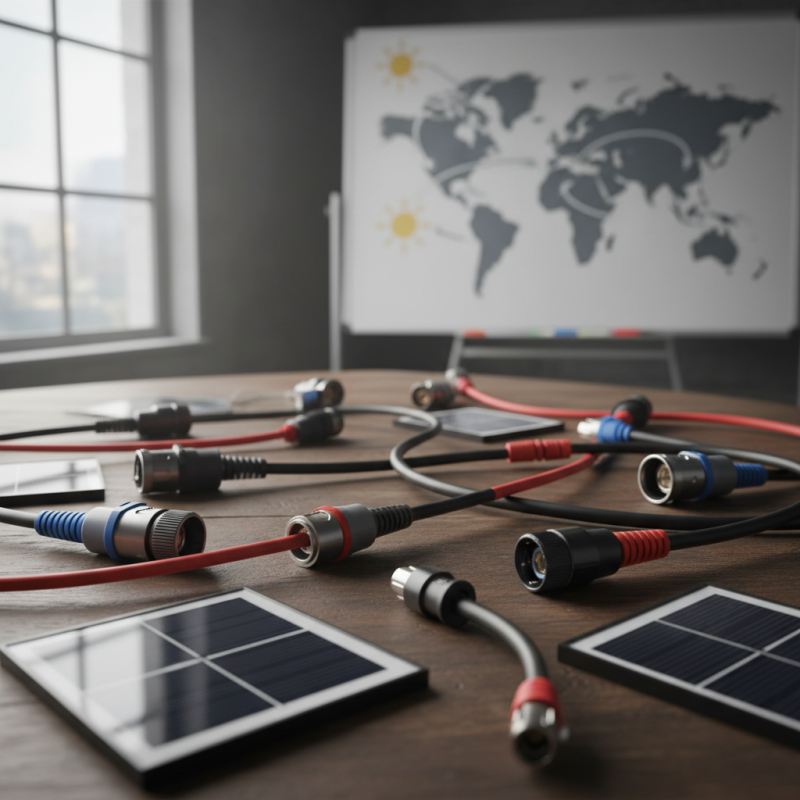
Importance of Selecting Quality Solar Panel Connectors in Global Sourcing
Choosing high-quality solar panel connectors is crucial for global sourcing. These connectors play a significant role in optimizing energy transfer and ensuring the longevity of solar systems. Industry reports indicate that defective connectors contribute to approximately 10% of system failures. This not only affects energy efficiency but also increases maintenance costs.
In sourcing connectors, prioritize durability and compatibility. Environmental factors, like temperature fluctuations and moisture, can impact connector performance. Select connectors that meet or exceed industry standards. For instance, connectors rated for temperatures from -40°C to 90°C provide a wider operational range. Additionally, look for connectors with proven certifications to ensure reliability.
Tip: Conduct tests on samples before large-scale procurement. This mitigates risks associated with quality inconsistencies. It’s essential to take the time to evaluate suppliers. Ask for data, reviews, or case studies showcasing previous performance.
Don’t overlook the significance of installation practices, as incorrect installation can lead to failures. Reliable connectors should be easy to install and maintain, yet provide a secure connection. Investing in quality components ultimately enhances overall system performance, benefiting both the supplier and the end user.
Key Features to Consider When Choosing Solar Panel Connectors
When selecting solar panel connectors, there are vital features to consider for efficiency. One primary factor is the connector's temperature rating. High-quality connectors can perform well in extreme temperatures, often rated between -40°C and 90°C. This durability ensures longevity, particularly in harsh environments.
Another critical aspect is the ease of installation. Ideally, connectors should facilitate quick connections and disconnections. Reports indicate that user-friendly designs can reduce installation time by approximately 30%. This efficiency translates to lower labor costs and faster project completion, highlighting the importance of usability in the selection process.
Additionally, the material composition affects overall reliability. Connectors made from high-grade materials resist corrosion and wear, significantly impacting their lifespan. Research shows that using premium materials can extend the connector's life by 50%. It's essential to weigh these factors and ensure that the chosen connectors meet industry standards. In an ever-evolving market, focusing on reliable and efficient components can yield long-term benefits.
Top Manufacturers of Solar Panel Connectors for Global Sourcing
In recent years, the demand for solar energy has surged. As this trend grows, so does the need for high-quality solar panel connectors. These components play a crucial role in ensuring the efficient functioning of solar systems. Selecting the right connectors can directly impact energy output and system longevity.
Numerous manufacturers specialize in solar panel connectors worldwide. Their experience and knowledge vary significantly. Some focus on advanced materials to enhance durability, while others prioritize ease of installation. A key factor in sourcing these connectors is evaluating their reliability under various environmental conditions. Testing performance in extreme temperatures or wet climates offers insights into their long-term viability.
Choosing the right manufacturer demands careful consideration. Not all brands provide thorough product specifications or test data. Some may lack comprehensive customer support. As sourcing partners, manufacturers should exhibit transparency and a commitment to quality. This can help you make informed decisions that ensure optimal energy performance over time. The market is competitive; therefore, thorough research is essential to identify the most dependable options available.
Comparative Analysis of Connector Types: Approaches to Efficiency
The choice of solar panel connectors plays a pivotal role in enhancing system efficiency. In the realm of photovoltaic technologies, several connector types are prevalent. MC4 connectors are often hailed for their robust performance and weather resistance. They have become the standard in the industry, accounting for approximately 90% of solar installations worldwide. However, these connectors are not without flaws; improper installation can lead to performance degradation.
Beyond MC4, there are other options like H4 connectors. They are compact and touted for high efficiency in limited spaces. However, reliability remains a concern, particularly in extreme weather conditions. A study by the National Renewable Energy Laboratory (NREL) indicates that the performance drop in subpar connectors can reach up to 15% over time. This highlights the critical need for thorough evaluation during the selection process.
Tip: Always assess the environmental conditions where the solar system will be installed. Selecting connectors that withstand specific weather can reduce long-term maintenance costs.
Moreover, research shows the industry is shifting towards
smart connectors with monitoring features. While offering improved efficiency, these connectors require a higher initial investment. This reflects a growing trend towards sustainable systems, but it also compels manufacturers to ensure cost-effectiveness.
Finding the right balance between upfront costs and long-term performance is not straightforward.
Tip: Consider total cost of ownership (TCO) when choosing connectors for optimal sustainability.
Impact of Quality Connectors on Solar System Performance and Reliability
The performance and reliability of solar systems greatly depend on the quality of connectors used. Connectors are responsible for linking solar panels to inverters and batteries. A poor connection can lead to energy loss and even system failures. Understanding this, it becomes evident that even the best solar panels can underperform with inadequate connectors.
Using high-quality connectors helps to ensure effective energy transfer. These connectors must withstand harsh weather and resist corrosion. Regular maintenance can be a challenge, as wear and tear occur over time. Sometimes, users overlook the importance of connector quality in their procurement process. They might focus solely on panels or inverters, neglecting the vital role of connectors.
Quality connectors also facilitate easier installation and prevent overheating. Overheating can become a serious risk if connectors fail. For optimal system efficiency, it is crucial to invest time in evaluating connectors alongside panels. Every small detail contributes to overall performance. Reflecting on these aspects leads to better decision-making in solar system designs.
Impact of Connector Quality on Solar System Performance