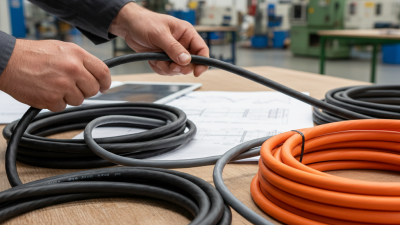





10 Tips to Choose the Right Electrical Power Cable

Choosing the right Electrical Power Cable is a practical engineering decision, not a simple shopping exercise. The cable must carry the required current safely, tolerate its installation environment, and remain reliable over many years. A cable that looks thick and durable may still have unsuitable insulation, poor flexibility, or excessive voltage drop. That is an easy mistake to make.

Thomas Edison, a major pioneer of the electrical power industry, is often credited with saying, “We will make electricity so cheap that only the rich will burn candles.” His vision reminds us that electrical systems must deliver useful power efficiently and safely. Cable selection supports that goal. It connects design calculations with real conditions, including heat, moisture, sunlight, chemicals, mechanical stress, and restricted spaces.

This guide examines ten practical checks for choosing an Electrical Power Cable. It considers conductor material, cross-sectional area, voltage rating, ampacity, insulation type, shielding, flexibility, installation method, certification, and long-term maintenance. Each factor matters. Together, they define performance.

Details matter most.

Reliable selection should follow applicable standards, manufacturer data, and local electrical regulations. Qualified engineers or electricians should verify the final choice, especially for high-current, industrial, underground, or critical-power installations. Even experienced teams can overlook derating or termination conditions. That deserves honest attention.

The best cable is not always the largest or most expensive option. It is the cable that matches the load, environment, installation, and future demand without compromising safety.
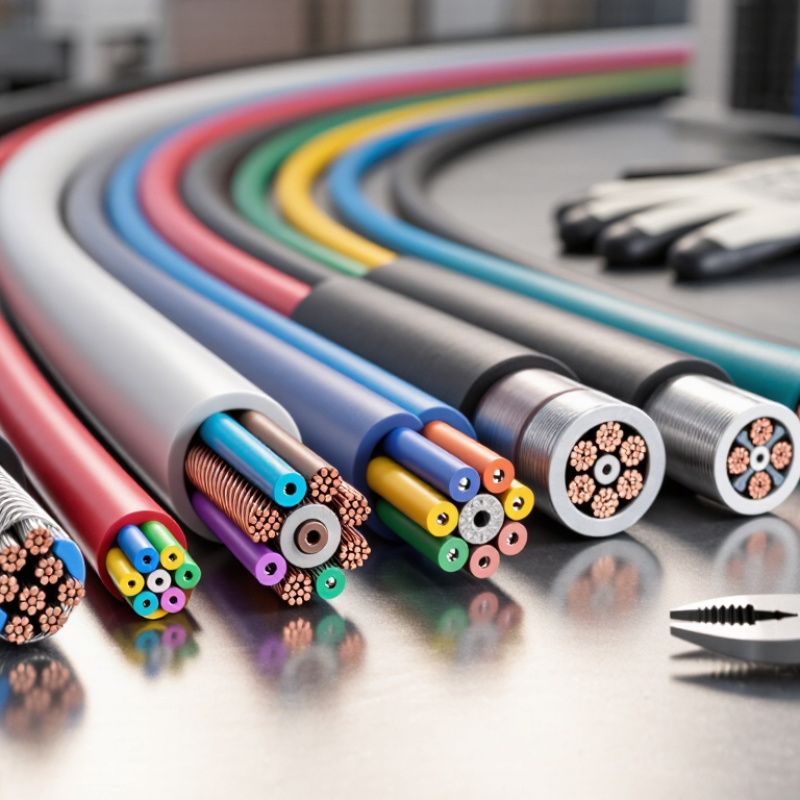
10 Tips to Choose the Right Electrical Power Cable

Define the Electrical Load and Power Requirements

10 Tips to Choose the Right Electrical Power Cable

Define the Electrical Load and Power Requirements

A suitable cable begins with an accurate load calculation. List every connected device, including motors, heaters, lighting, and control equipment. Record each load’s voltage, wattage, phase arrangement, and expected operating hours. Do not rely only on the nameplate rating. Some motors draw much higher current during startup. That brief surge can influence cable size and protective device selection.

A practical calculation uses current, power factor, and efficiency where applicable. For single-phase equipment, estimate current from power divided by voltage, then adjust for power factor. Three-phase systems require a different formula. Add continuous loads carefully, and apply realistic demand factors. A large spreadsheet may look professional but still contain one wrong assumption. Check the figures against measured values when possible.

Tip: Mark starting current separately.

Cable selection must also consider installation conditions. Ambient heat, grouping, conduit fill, burial depth, and insulation temperature can reduce allowable ampacity. Calculate voltage drop over the full cable length, especially for remote pumps or workshop machinery. For example, a long 230-volt run may operate a light normally but cause a motor to struggle during startup. Keep records of assumptions, measurements, and revisions. When the load remains uncertain, ask a qualified electrical professional to verify the design against applicable local codes.

10 Tips to Choose the Right Electrical Power Cable: Define the Electrical Load and Power Requirements

How to read this chart: The estimated current is calculated using I = P ÷ (V × PF), based on a 230 V single-phase supply and a power factor of 0.90. Higher current generally requires a larger conductor size, but final cable selection must also consider installation method, ambient temperature, cable grouping, voltage drop, insulation rating, and local electrical regulations.

Select the Appropriate Cable Conductor Material and Size

Choosing conductor material starts with the installation environment, not the price tag. Copper carries current efficiently and bends easily in crowded panels. Aluminum is lighter and often practical for long, large feeders. However, it expands more with heat and needs properly rated terminals.

I once saw an oversized aluminum cable installed with unsuitable lugs. The insulation looked perfect, but the connection ran hot. That shortcut failed.

Check cable markings, terminal ratings, and local electrical codes before selecting either material. A qualified electrician should verify the final design, especially in commercial or high-load systems.

Cable size must match ampacity, voltage drop, fault conditions, and installation method. Do not choose by appliance wattage alone. A 30-meter run to a pump may need a larger conductor than a short kitchen circuit.

Measure the route, count loaded conductors, and note whether the cable passes through conduit, insulation, soil, or open air. Heat cannot escape easily in a crowded conduit. That detail matters.

Calculate voltage drop for motors, heaters, and sensitive electronics. Low voltage can cause dim lights, sluggish motors, and nuisance shutdowns.

Temperature rating also affects usable ampacity. A high-heat cable may still be limited by its weakest termination. Select insulation for moisture, sunlight, chemicals, and movement.

Stranded conductors suit vibration; solid conductors can be easier to terminate in fixed circuits. Leave practical capacity for future loads, but avoid extreme oversizing without checking bending space.

My early selections favored extra margin, yet ignored routing space. Rework was expensive.

Evaluate Voltage Drop, Insulation, and Temperature Ratings

10 Tips to Choose the Right Electrical Power Cable

Evaluate Voltage Drop, Insulation, and Temperature Ratings

Voltage drop can quietly weaken electrical equipment. Measure the cable route, not just the room distance. A long run, high current, or undersized conductor increases resistance and reduces delivered voltage. Check the equipment’s permitted voltage range and local electrical requirements. For motors, excessive drop may cause slow starting, humming, or repeated trips. Keep calculations practical. Real installations often include extra bends and connection points.

Insulation needs more than a voltage label. Select insulation rated for the system voltage, ambient moisture, chemicals, movement, and installation method. A cable inside a dry conduit faces different conditions from one buried outdoors. Inspect the sheath for cracking, cuts, or stiffness before installation. Small damage matters. I have seen cable selections fail because the environment was treated as an afterthought.

Temperature ratings also deserve careful review. Conductor ampacity changes with ambient temperature, cable grouping, ventilation, and termination limits. A higher insulation rating does not automatically permit higher current. Confirm the weakest component, including terminals and protective devices. Recheck the design when cables share a crowded tray. That step is easy to miss. When calculated values seem close, leave a sensible margin and have a qualified professional verify the installation against applicable codes.

10 Tips to Choose the Right Electrical Power Cable - Evaluate Voltage Drop, Insulation, and Temperature Ratings

No. Selection Tip Key Dimension to Evaluate Practical Guidance Example or Checkpoint
1 Confirm the System Voltage Voltage rating Select a cable with an insulation voltage rating equal to or higher than the system voltage. Consider phase-to-phase and phase-to-ground voltage where applicable. A cable rated 600 V is generally not suitable for a system requiring a 1,000 V insulation rating.
2 Calculate the Required Ampacity Continuous and peak current Choose conductor size based on the expected load current, including continuous-load requirements, starting current, and applicable electrical-code adjustment factors. For a 40 A continuous load, local code may require the circuit to be designed for more than 40 A.
3 Evaluate Voltage Drop Cable length, current, and conductor resistance Calculate voltage drop over the complete circuit path, including outgoing and return conductors. A larger conductor or shorter route reduces voltage drop. A common design target is approximately 3% for a branch circuit and 5% for the total feeder-plus-branch circuit, subject to local requirements.
4 Match the Insulation Type Moisture, chemicals, oil, and abrasion resistance Select insulation designed for the installation environment. Water exposure, oils, solvents, sunlight, and mechanical wear can shorten cable life. Outdoor or wet locations require a cable construction specifically approved for wet service.
5 Check Temperature Ratings Conductor operating temperature and ambient temperature Verify the cable's normal operating and short-circuit temperature ratings. Apply ambient-temperature correction factors when conditions exceed the reference temperature. A 90°C insulation rating may assist ampacity adjustment, but the final allowable ampacity can be limited by connected equipment or terminals.
6 Select the Conductor Material Conductivity, weight, cost, and connection requirements Copper provides high conductivity and compact sizing, while aluminum is lighter and may be economical for larger conductors. Use terminals listed for the selected material. Do not connect an aluminum conductor to a terminal unless the terminal is identified for aluminum or dual-metal use.
7 Choose the Correct Conductor Construction Solid versus stranded conductors Solid conductors can suit fixed, smaller installations, while stranded conductors provide greater flexibility for equipment connections, vibration, and cable routing. Use a flexible stranded cable where repeated movement or tight bending is expected.
8 Account for Installation Conditions Conduit, tray, burial, bundling, and ventilation Adjust the cable selection for the installation method. Grouped cables and poorly ventilated spaces retain heat and can reduce allowable ampacity. Multiple current-carrying cables in one conduit may require derating according to the governing electrical code.
9 Verify Mechanical Protection Bend radius, impact, pulling tension, and crush resistance Check the manufacturer's minimum bend radius and maximum pulling tension. Provide protection where cables may experience impact, sharp edges, or compression. A cable bent below its specified minimum radius can damage insulation or conductor strands.
10 Confirm Standards and Terminations Safety certification, connector compatibility, and installation code Use cable and accessories that comply with the applicable national or regional standards. Confirm lug size, terminal temperature rating, torque, and stripping requirements. A correctly sized cable can still overheat if the terminal is loose, mismatched, or tightened without the specified torque.

Match the Cable to Installation Conditions and Safety Standards

Tip: Start with the installation conditions, not the cable price. Check whether the cable will run indoors, underground, outdoors, or through a wet area. Heat, moisture, sunlight, chemicals, and soil can damage unsuitable insulation. A cable rated for dry walls may fail inside a damp conduit. It happens more often than people expect. Measure the route length and calculate voltage drop before choosing the conductor size. Long runs may need larger conductors, even when the load current seems modest.

Tip: Match the cable’s current capacity to the real operating load. Consider continuous loads, starting current, grouping, ventilation, and ambient temperature. Cables bundled tightly in a tray often carry less current than isolated cables. Confirm conductor material, insulation temperature rating, flexibility, and mechanical protection. Select the correct number of cores for phase, neutral, earth, and control requirements. A tidy installation is not automatically a safe one.

Safety standards must guide the final decision. Check the electrical code and certification requirements used in your region. Verify fire performance, grounding arrangements, circuit protection, and permitted installation methods. Use cable glands, conduits, terminals, and supports that suit the same environment. A qualified electrician should inspect the design and connections, especially in commercial or high-load systems. I once underestimated heat around a motor cable; the calculation looked acceptable, but the surrounding temperature changed everything. Recheck assumptions on site. Small details matter.

Compare Durability, Compliance, Cost, and Long-Term Performance

Choosing the right electrical power cable requires more than comparing purchase prices.

Durability starts with insulation, conductor material, sheath design, and installation conditions. A cable exposed to sunlight, moisture, oil, or repeated bending needs suitable protection.

IEC 60502-1 provides key requirements for extruded-insulation power cables, but compliance on paper does not guarantee reliable installation.

Check voltage ratings, conductor temperature, fire behavior, and test certificates. Small specification gaps can become expensive failures.

Cost should include installation, inspection, energy losses, repairs, and replacement time.

The International Energy Agency’s 2023 Electricity Grids report estimates that over 80 million kilometers of grids must be added or refurbished globally by 2040. It also indicates that annual grid investment must more than double by 2030.

These figures make long-term performance difficult to ignore. A cheaper cable may demand larger conductors, more frequent maintenance, or earlier replacement.

Copper often reduces losses, while aluminum can lower material weight and cost. The correct choice depends on load, distance, ambient temperature, and connection quality.

Do not assume the largest conductor is automatically best. Field experience shows that poorly prepared joints often undermine excellent cable designs. That part is easy to overlook.

Examine supplier test records, installation procedures, operating history, and warranty conditions.

A useful comparison may still feel imperfect, because climate, labor quality, and future load growth are hard to predict.